
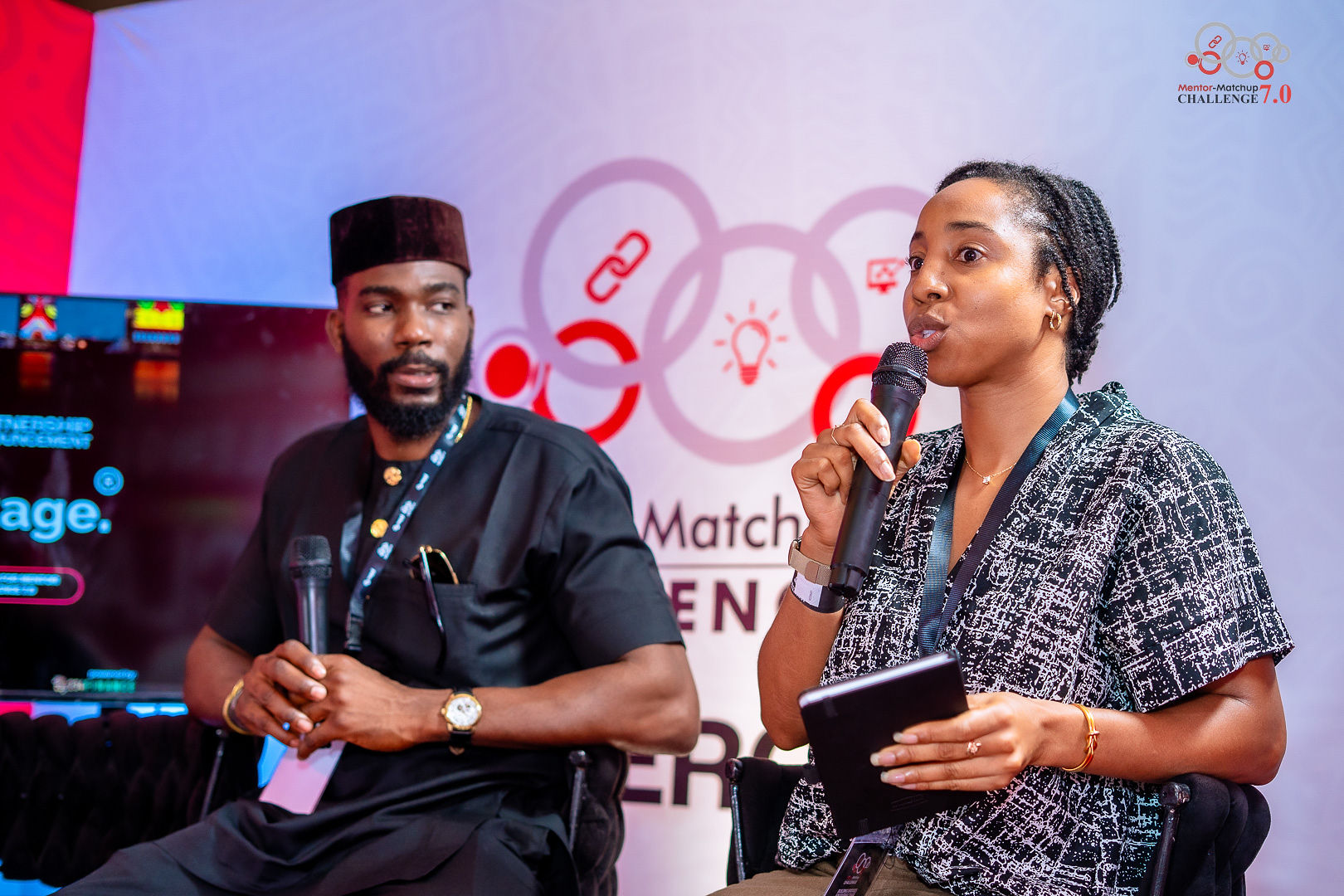
The HERitage Collective MMC 7.0 Roundtable, held at the MMC Trade Conference in Lagos, was not merely a networking event—it was a high-level strategic intervention. By combining macroeconomic data with direct deal-flow outcomes, the session demonstrated that closing the gender gap is Africa’s most significant untapped economic opportunity.
Editor’s Highlights
Africa’s Gender Gap = Untapped Opportunity
- Africa loses $100–200B annually due to the 40–50% drop-off of educated women from entry-level to senior roles.
- In Nigeria’s financial sector, women’s representation falls from 47% to 28%, costing $3.4–12B in lost economic activity.
Women Deliver Results
- Women-led businesses maintain a 95% repayment rate, proving that barriers are structural, not financial.
- Four high-growth women-led enterprises received direct strategic support, resulting in four immediate deals.
Infrastructure & Market Potential
- JéGO Technologies’ 1.5 MWh modular energy station demonstrates scalable solutions to reduce costs for women-led SMEs.
- Nigeria’s $40B market highlights the potential for women-led businesses, part of a $200B Africa-wide opportunity.
Diversity Drives Growth
- Companies with gender-diverse leadership generate 19% higher innovation revenue.
- Closing the global gender gap could add $12T to global GDP by 2025.
- In Africa, 55% of social enterprise activity is led by women, anchoring the continent’s real economy.
Quote from HERitage Co-Founder Habibah A. Waziri:
“These insights form the foundation of our 2026 roadmap. Our goal is to deepen capital pathways and turn meaningful data into measurable growth for women-led innovation across Africa.”
1. The Macro-Economic Imperative: The Cost of Underrepresentation
The roundtable explored the “Context-Capital Divide,” drawing on insights from McKinsey’s 2025 data. The findings reveal a stark loss of economic potential across Africa:
- Continental Loss: Africa loses between $100 billion and $200 billion annually due to the 40–50% drop-off of educated women from entry-level positions to senior leadership.
- Sectoral Breakdown: In Nigeria’s financial services sector, women’s representation drops from 47% at entry-level to 28% in senior roles.
- Lost Earnings & Economic Activity: This decline alone results in $1.1 billion to $2.4 billion in lost earnings, translating to $3.4 billion to $12 billion in lost economic activity across Nigeria.
- The Repayment Paradox: Despite funding gaps, women-owned businesses maintain a 95% repayment rate, demonstrating that the barrier is structural, not financial.
2. Quantitative Impact of the Roundtable
The session went beyond discussion, generating immediate, measurable impact with 12 high-impact participants from Nigeria, Ghana, and the UK:
- Capital Representation: Over $10 million in deployed capital was represented in the room via anchor partners like Future Africa.
- Gender Diversity: A 60% female and 40% male participant split ensured diverse perspectives in decision-making.
- Business Support: Four high-growth, women-led enterprises—LLA Deals Ltd, Foundex, Nord Collective, and Karen Ubani Clothing—received direct strategic intervention.
- Immediate Deal-Flow: The roundtable successfully brokered four concrete commitments, including two investment readiness tracks and two logistics/infrastructure partnerships.
3. Infrastructure as an Economic Multiplier
Energy and mobility infrastructure emerged as key cost multipliers for SMEs:
- Scalable Solutions: JéGO Technologies showcased a 1.5 megawatt-hour (MWh) modular energy station in Lagos, offering a blueprint to reduce operational costs for women-led manufacturing and service businesses.
- Market Opportunity: Nigeria’s 230 million population represents a $40 billion market opportunity, demonstrating the scalable potential for women-led SMEs across Africa, estimated at $200 billion.
4. The Competitive Edge of Diversity
The roundtable reinforced global findings that diversity drives innovation and revenue:
- Innovation Revenue: Companies with gender-diverse leadership teams generate 19% higher innovation revenue.
- GDP Impact: Closing the global gender gap could add an estimated $12 trillion to global GDP by 2025 (McKinsey Global Institute).
- Social Enterprise Leadership: In Africa, 55% of social enterprise activity is already led by women, underscoring their central role in the continent’s “real economy.”
Conclusion: From Data to Actionable Architecture
For Habibah A. Waziri, co-founder of HERitage, these insights form the foundation of the 2026 roadmap. The collective aims to deepen “capital pathways” and ensure that Africa’s $3.1 trillion GDP in 2024 increasingly reflects women-led innovation and technology.
Looking ahead, HERitage will continue curating small, high-trust “power spaces” where meaningful data translates into measurable growth.