
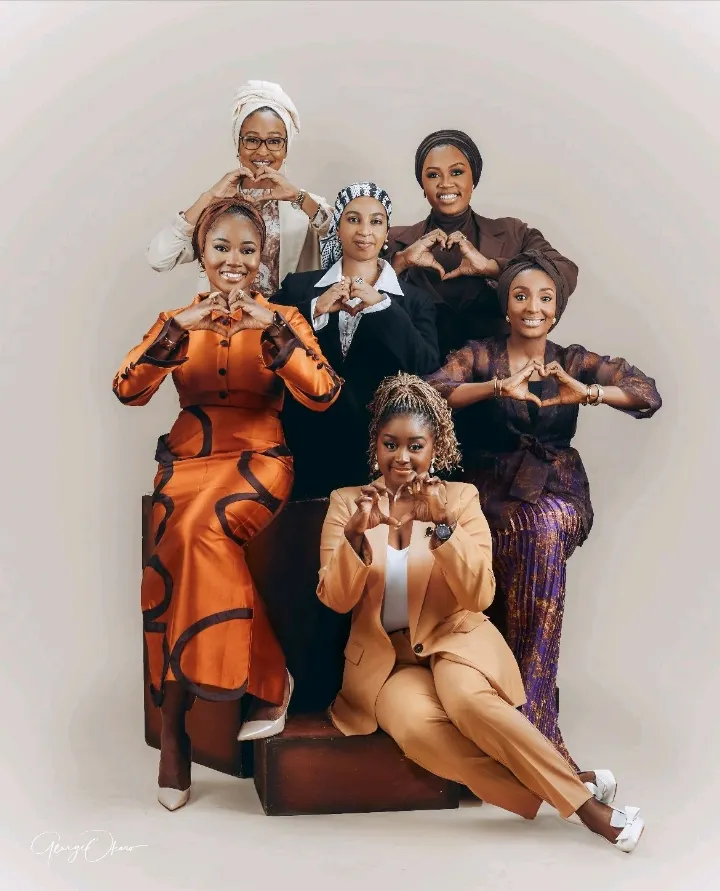
Atthis important time in its long history, women’s and girls’ empowerment is not just an issue of equity but also an essential driver of economic expansion and the development of human capital.
Women make up about half of the workforce in Africa, where the population is expanding quickly. Human capital development has enormous potential, especially when it comes to empowering women. Significant obstacles still stand in the way of women’s full economic involvement and contribution, even though their vital role in Africa’s development has been acknowledged.

In Africa, women make up almost half of the population and work in a variety of fields, including agriculture, where they perform almost 70% of the labour. Along with being common in informal employment, they support local economies through small businesses, commerce, and service sectors. Group of African Development Banks. However, these industries are frequently characterised by low pay, unstable employment, and limited access to official financial institutions. Data from the African Development Bank (AfDB) shows that 87% of working women in Sub-Saharan Africa work in the unorganised sector, which restricts their ability to advance financially and offers insufficient protections.
As of 2021, Sub-Saharan Africa had a Human Capital Index (HCI) score of 0.40, indicating that a child born today can expect to attain only 40% of their potential productivity when they grow up.
Girls are less likely than boys to complete secondary education due to factors such as child marriage and domestic responsibilities. This educational gap has long-term implications for women’s economic participation and productivity.
Overcoming Obstacles in the Development of Human Capital
Human capital development projects for women in Africa require a multifaceted approach that focusses on education, healthcare, economic empowerment, and legislative reform to create circumstances in which women can thrive alongside men.
- Education and Skills Training:
Education has the potential to alter women’s economic fortunes, yet many girls face barriers to receiving a high-quality education. While girls’ basic education rates are approaching parity with males in several African countries, discrepancies in secondary and university education persist due to socioeconomic and cultural factors. UNESCO reports that in some African locations, there are just seven girls for every ten boys engaged in secondary education. Bridging this gap is critical, particularly in STEM professions, where only 28% of African graduates are female. Investing in girls’ education, particularly technical and vocational education and training (TVET), equips women with the necessary skills to enter higher-paying areas and prepares them for modern, technology-driven economies.
2. Healthcare and Social Protection:
Health disparities continue to hinder African women’s employment and production. Women’s well-being and productivity depend on access to maternal healthcare, reproductive health services, and illness prevention support. Healthy women are more likely to keep their employment and grow economically. Healthcare services that prioritise women’s needs, such as maternal leave and childcare, are essential for promoting inclusive labour markets.
3. Economic Empowerment and Financial Inclusion:
Access to credit remains a key barrier for African women, limiting their capacity to grow their companies and improve their living standards. The World Bank reports that only 37% of African women have a bank account, whereas 48% of males do, highlighting a financial inclusion disparity. Financial literacy programs, microfinance options, and digital banking access, particularly in distant locations, are required to bridge this gap. Programs that encourage entrepreneurship, provide business mentorship, and ease entry into formal markets can help close the financing gap, allowing women entrepreneurs to scale their enterprises and contribute more meaningfully to GDP growth.
4. Policy Reforms for Gender Equality:
Promoting gender equity in the workplace requires legal protections, especially in African countries where labour laws do not sufficiently resolve gender differences. It is essential to have policies that provide equal compensation, forbid discrimination based on gender, and shield women from harassment at work. Significant progress has been made by nations like South Africa and Rwanda in implementing gender equity legislation, and their prosperous economies serve as a model for the rest of the continent. Because they can better utilize the potential of their entire population, economies with stronger gender parity laws exhibit faster rates of economic growth, according to the World Economic Forum.
The Economic Impact of Gender-Inclusive Human Capital Development
The continent stands to benefit considerably from properly integrating women into the African economic fabric. According to the McKinsey Global Institute, promoting gender equality might boost Africa’s GDP by $316 billion per year by 2025.
Beyond GDP, inclusive growth would eliminate poverty, enhance educational achievements for future generations, and make the economy more robust.
Ethiopia’s initiatives to promote women’s entrepreneurship through targeted financial inclusion programs serve as one example of success. These efforts have enabled thousands of women to start enterprises, contributing to Ethiopia’s economic change and demonstrating the strength of human capital development, which includes women.
The African Development Bank has also backed Nigeria’s Women Entrepreneurs Finance Initiative (We-Fi), which has given women financial resources and training to help them grow their enterprises and become more financially independent. In addition to enhancing the lives of individual women, these programs also have a positive ripple impact on the welfare of the community and the stability of the economy.
Increased female participation in agriculture without corresponding educational support can hinder overall human capital development.
For every additional year of schooling for women, earnings increase by approximately 14%, compared to an 11% increase for men.
The African Development Bank has also backed Nigeria’s Women Entrepreneurs Finance Initiative (We-Fi), which has given women financial resources and training to help them grow their enterprises and become more financially independent. In beyond enhancing the lives of individual women, these programs also have a positive ripple impact on the welfare of the community and the stability of the economy.
Strategic Partnerships to Drive Gender-Focused Development
African governments, the corporate sector, and international organizations must work together to promote human capital for women. Collaborations with international groups like UN Women and the African Union have already produced initiatives that promote women-only economic development, healthcare, and education. With its emphasis on women’s skill development and entrepreneurship training, the AfDB’s “Jobs for Youth in Africa” program is a major step towards reducing the gender gap in employment.
For women living in distant places, technology innovations like online learning environments and mobile banking are also assisting in closing access barriers. For instance, the growth of mobile money services has given women company owners greater access to capital, the ability to pay, and the ability to run their companies online. Furthermore enabling African women to engage in the digital economy and opening up new avenues for economic independence are programs that promote digital literacy and give reasonably priced internet connection.
Though deliberate, consistent investment in gender-inclusive human capital development is necessary to realize Africa’s development potential, women remain at its core. By removing obstacles in the areas of healthcare, education, finance, and legal protections, Africa can unleash the enormous potential of women and promote economic growth that benefits everybody. Africa faces a challenge as well as a chance to become a worldwide leader in inclusive growth and gender equality as it works towards economic parity. Empowering women would spur prosperity throughout the continent as Africa develops its human capital.

Cultural Shifts and Gender Norms
Empowering women is a powerful catalyst for cultural shifts that challenge traditional gender norms and promote gender equality as a societal standard. This transformation is not merely about improving women’s rights; it involves reshaping societal attitudes, behaviors, and expectations regarding gender roles.
1. Redefining Gender Roles
Empowerment initiatives often encourage women to step into roles traditionally dominated by men, such as leadership positions in politics, business, and community organizations. As women gain visibility in these roles, it challenges the stereotype that leadership is inherently male. This shift can inspire both men and women to reconsider their beliefs about gender capabilities.
- Example: The HeForShe movement, launched by UN Women, invites men to advocate for gender equality alongside women. By engaging men as allies, the movement seeks to redefine masculinity and encourage shared responsibility in promoting gender equality.
2. Challenging Stereotypes Through Media Campaigns
Media campaigns play an essential role in reshaping public perceptions of gender roles. By highlighting women’s achievements and challenging stereotypes, these campaigns creates a culture of equality.
- Nike’s “Dream Crazier” Campaign: This campaign features female athletes breaking barriers and overcoming societal expectations. By showcasing their accomplishments, it encourages young girls to pursue their dreams without being limited by traditional gender norms.
- Always’ “Like a Girl” Campaign: This campaign turned a phrase often used as an insult into a powerful statement of empowerment. It encourages girls to embrace their identity and capabilities, challenging the negative connotations associated with femininity.
- Africa No Filter, an NGO that challenges harmful narratives about the continent.
- UN Women, which is launching the Nigeria chapter of the Unstereotype Alliance to end harmful stereotypes in media and advertising.
- Zikora, which hosts gatherings to elevate underreported African stories that showcase diverse perspectives from the continent.
3. Community Engagement and Grassroots Movements
Grassroots movements are vital in driving cultural change at the local level. These initiatives often focus on empowering women through education, economic opportunities, and advocacy.
- WOW (Women of the World) Foundation: This organization hosts festivals and events worldwide that celebrate women’s achievements and address issues affecting women. By amplifying women’s voices and stories, WOW creates a sense of community and solidarity that challenges traditional norms.
- Girls Rock London: This charity runs music projects aimed at getting girls involved in music and achieving gender equality in the music industry. By providing a platform for girls to express themselves creatively, it helps break down stereotypes about women’s roles in arts and entertainment.
4. Policy Advocacy for Gender Equality
Empowering women also involves advocating for policies that promote gender equality. When women are involved in decision-making processes, they can influence policies that affect their lives and communities.
- iCommit Campaign in Nigeria: This initiative aims to raise awareness about gender-related issues and promote policies supportive of gender equality. By engaging stakeholders at various levels, the campaign seeks to create an enabling environment for women’s empowerment and challenge existing societal norms.
5. Education as a Tool for Change
Education is one of the most effective means of empowering women and challenging traditional gender norms. When girls receive education, they are more likely to delay marriage, pursue careers, and advocate for their rights.
- Programs that focus on STEM education for girls not only equip them with valuable skills but also challenge the notion that these fields are exclusively for boys. As more women enter these traditionally male-dominated areas, it helps shift cultural perceptions about women’s capabilities.
6. Involving Men as Allies
Engaging men in conversations about gender equality is essential for creating lasting cultural change. When men actively participate in promoting women’s rights, it helps dismantle patriarchal structures that perpetuate inequality.
- The UNiTE to End Violence Against Women campaign emphasizes the importance of involving men in efforts to combat violence against women. By educating men about the impact of violence and encouraging them to become advocates for change, this initiative encourages a culture of respect and equality.
The empowerment of women leads to significant cultural shifts that challenge traditional gender norms and promote equality as a societal norm rather than an exception. These efforts not only benefit women but also contribute to healthier, more equitable communities where everyone can thrive. As the worldwide movement for gender equality continues, it is essential to recognize the interconnectedness of these efforts in promoting a culture that values diversity and inclusion.
How does child marriage impact girls’ human capital development?
Child marriage significantly impacts girls’ human capital development, leading to long-term detrimental effects on their education, health, economic opportunities, and overall empowerment. Here’s a detailed exploration with data-backed illustrations:
Educational Impacts
- Disruption of Education: Child marriage often results in the immediate cessation of formal education for girls. Research indicates that marrying before the age of 18 can decrease the likelihood of completing secondary education by 4–6 percentage points for each year of early marriage. This disruption limits their ability to acquire essential knowledge and skills necessary for personal and professional growth.
- Social Isolation: Early marriage removes girls from their educational environments, stripping them of social networks and support systems that schools provide. This isolation can hinder their development of critical life skills and diminish opportunities for future learning.
- Intergenerational Effects: The educational deficits experienced by child brides often perpetuate cycles of poverty and low educational attainment in subsequent generations. Educated mothers are more likely to prioritize their children’s education, thus breaking the cycle of child marriage and fostering better outcomes for future generations.
A UNICEF report revealed that 50% of child brides drop out of secondary school. In countries like Nigeria, only 9% of child brides complete their secondary education.
Health Consequences
- Increased Health Risks: Child brides face heightened risks of poor health outcomes, including complications during pregnancy and childbirth. They are more likely to have children at younger ages, which can lead to higher maternal and infant mortality rates.
- Mental Health Issues: The pressures and challenges associated with early marriage can lead to mental health issues, including depression and anxiety, further affecting their capacity to contribute economically or socially.
- Limited Access to Healthcare: Child marriage often restricts girls’ autonomy, making it difficult for them to seek necessary healthcare services. This lack of access can exacerbate existing health problems and limit their overall well-being.
Girls younger than 15 are five times more likely to die during childbirth compared to women in their twenties.
Economic Implications
- Reduced Earning Potential: Girls who marry early typically have lower lifetime earnings due to diminished educational opportunities. Studies show that child marriage can significantly reduce women’s expected earnings in adulthood, contributing to persistent poverty within families and communities.
- Labor Market Participation: Early marriage limits women’s participation in the labor force. Women who marry young often have fewer opportunities for employment, which restricts their ability to contribute economically both at home and within their communities.
- Cycle of Poverty: The economic disadvantages faced by child brides not only affect them but also have broader implications for their families and communities. Lower household incomes due to reduced earning potential can lead to increased poverty levels, perpetuating a cycle that is difficult to escape.
Empowerment and Agency
- Loss of Autonomy: Child marriage severely limits girls’ decision-making power regarding their lives, bodies, and futures. This lack of agency can result in a lifetime of dependency on their husbands or families, further entrenching gender inequality.
- Perpetuation of Gender Norms: By marrying young, girls are often socialized into traditional gender roles that prioritize domestic responsibilities over personal aspirations or career goals. This reinforcement of gender norms can hinder progress towards gender equality in society.
The World Bank estimates that ending child marriage could increase national GDPs by 1–3%. For instance, in Nigeria, delaying marriage until adulthood could generate billions in income and savings by increasing women’s participation in the workforce.
UNICEF’s Skills4Girls Program
In more than 20 countries, UNICEF is actively working with and for girls through the Skills4Girls Portfolio to close the skills gap between what they have historically had and what they need to be competitive in the workforce of the twenty-first century. Since 2019, Skills4Girls has influenced over 9.5 million girls worldwide. The objective is to provide gender-transformative skills-building to 11.5 million teenage females by 2025.

Digital literacy is the ability to access, manage, understand, integrate, communicate, evaluate and create information safely and appropriately through digital devices and networked technologies for participation in economic and social life. It includes competences that are variously referred to as computer literacy, ICT literacy, information literacy, and media literacy.
Prioritizing the leadership and well-being of adolescent girls is a key commitment of the UNICEF Gender Action Plan-2022–2025, and the Skills4Girls Portfolio is based on Goal Area 2 of UNICEF’s Strategic Plan 2022–2025, which focusses on providing all children and adolescents with access to high-quality learning opportunities, skills, participation, and engagement. A vital route to respectable employment is investing in girls’ education and skills, which is one of the Gender Action Plan’s five prioritised goals for girls’ empowerment. Skills4Girls helps girls acquire life skills like communication, problem-solving, negotiation, and self-esteem, as well as STEM, digital technologies, and social entrepreneurship. Through these focused initiatives, Skills4Girls is setting girls on a pathway to decent employment and economic independence, which contributes directly to breaking cycles of poverty and inequality.
There are over 600 million adolescent girls in the globe today; given the correct resources and opportunity, they will be the largest cohort of female leaders, innovators, entrepreneurs, and change-makers the world has ever seen. They have also demonstrated incredible courage, fortitude, and endurance in the face of unprecedented obstacles, including the global COVID-19 pandemic, spiralling climate issues, fragility, and violence. However, their immense potential is hampered by a number of interconnected impediments, ranging from unfavourable preconceptions and damaging social norms to discrimination in accessing technology or apprenticeships. Investing in their achievement has a positive ripple effect that benefits individual girls, as well as their families, communities, and entire societies. In other words, when girls succeed, everyone succeeds.
Here are some impactful case studies highlighting initiatives under Women and Human Capital Development:
1. Rwanda’s National Strategy for Transformation (NST1) and Women’s Empowerment
Rwanda has made impressive strides in empowering women and integrating gender equality into national development through its National Strategy for Transformation (NST1). With a strong focus on human capital development, this strategy prioritizes education, healthcare, and economic empowerment for women, ensuring their active participation in Rwanda’s growth.
- Education and Skill-Building: Rwanda introduced policies for free primary education and has expanded secondary and vocational training programs, focusing on STEM fields for girls. This emphasis has increased female enrollment in schools, creating a more educated workforce and closing gender gaps in traditionally male-dominated fields.
- Health and Well-being: The government has focused on maternal and child healthcare and family planning. Through community-based health insurance, Rwanda achieved near-universal healthcare access, improving women’s health outcomes and reducing maternal mortality by over 60%.
- Economic Empowerment: Rwanda supports female entrepreneurs through programs like the Business Development Fund, which provides financing and capacity-building. Today, Rwanda’s women’s labor force participation rate is one of the highest in Africa, with women making up over 40% of the workforce.
Results:
Rwanda’s human capital development strategy has elevated women’s roles in its economy and society. The country’s poverty rate has decreased by more than 10%, and women’s political participation is among the highest worldwide, with women holding over 60% of parliamentary seats.
2. India’s Self-Help Groups (SHGs) and Women’s Financial Inclusion
India’s Self-Help Groups (SHGs), facilitated through programs like the National Rural Livelihood Mission (NRLM), provide rural women with access to credit, financial training, and community support. These groups enable women to develop skills, start businesses, and achieve financial independence.
Initiatives and Impact:
- Microfinance and Entrepreneurship: SHGs give women access to low-interest loans, facilitating small-scale entrepreneurship. Women engaged in SHGs receive training in financial literacy, agriculture, and business skills, fostering entrepreneurship in traditionally underserved rural areas.
- Community Leadership: SHGs promote leadership among women, allowing them to organize within their communities, advocate for social issues, and participate in local governance. Many SHG members now hold leadership roles within their villages, amplifying women’s voices in decision-making.
- Increased Financial Inclusion: Through SHGs, millions of rural women have opened bank accounts, gaining financial autonomy and reducing poverty at household levels. The “Jan Dhan Yojana” initiative complements this, ensuring direct bank account access for SHG members.
Results:
SHGs have improved the lives of over 80 million women in India, reducing poverty and empowering them economically. Women’s average household income increased by approximately 25%, and studies show improvements in child health and education within SHG households.
3. Ethiopia’s Agricultural Transformation Agency (ATA) Gender Mainstreaming Program
Ethiopia’s Agricultural Transformation Agency (ATA) launched a Gender Mainstreaming Program to support women in agriculture, focusing on increasing productivity, providing financial resources, and addressing gender-specific barriers within Ethiopia’s agriculture sector.
Initiatives and Impact:
- Technical Assistance and Training: The ATA offers targeted training for women farmers, emphasizing modern agricultural practices and technology use. Training focuses on areas such as crop management, pest control, and irrigation, increasing yields and enhancing household food security.
- Access to Financial Resources: Women receive access to loans and grants specifically tailored to agricultural needs, enabling them to invest in their farms and grow their businesses. The program also links women to cooperatives, giving them stronger market presence.
- Policy Advocacy: The ATA works with local governments to promote gender-inclusive policies in agriculture. By addressing cultural norms and providing support networks, the agency ensures women have equal access to resources, land rights, and agricultural support services.
Results:
The Gender Mainstreaming Program has enhanced women’s productivity and income, contributing to food security. Female farmers report a 30% increase in productivity, and the program is credited with increasing agricultural GDP and household resilience across rural Ethiopia.
4. UN Women’s “Economic Empowerment of Women through Climate-Smart Agriculture” in Mali
UN Women’s program in Mali focuses on climate-smart agriculture to empower women economically while addressing climate change. The program equips women with sustainable agricultural practices and climate-resilient techniques to safeguard livelihoods in Mali’s drought-prone regions.
Initiatives and Impact:
- Climate-Smart Training and Resources: The program trains women in climate-resilient techniques, including drought-resistant crop cultivation, agroforestry, and soil conservation. Women are also provided with tools and seeds to improve productivity and resilience.
- Access to Market and Financing: UN Women links female farmers to local markets and facilitates access to credit, allowing them to expand their businesses. The program also provides women with support to negotiate fair prices, increasing their profitability.
- Community Awareness and Leadership: Women in the program are trained in community leadership and advocacy, fostering local support for sustainable practices and helping women lead in climate adaptation initiatives within their communities.
Results:
Since its launch, the program has supported over 10,000 women farmers, increasing agricultural productivity and household income while building resilience against climate-related disruptions. Participating communities report greater food security, and female leadership in climate adaptation initiatives has inspired similar projects in neighboring regions.
5. Saudi Arabia’s Vision 2030 and the Women’s Empowerment Drive
Saudi Arabia’s Vision 2030 plan has focused on improving human capital through women’s empowerment initiatives aimed at increasing female workforce participation, expanding educational opportunities, and reducing gender disparities in professional and public life.
Initiatives and Impact:
- Workforce Inclusion and Skill Development: Vision 2030 includes policies to increase women’s participation in the workforce by 30%. Training programs in digital skills, STEM fields, and professional development have been set up for women, giving them access to emerging industries.
- Education and Higher Education Access: The plan has opened more educational and vocational opportunities for women, including scholarships and partnerships with international institutions. Women’s university enrollment has risen, particularly in STEM and management programs.
- Policy and Legal Reforms: Saudi Arabia has enacted reforms on guardianship laws and allowed women to enter previously restricted fields, including entrepreneurship, banking, and law. These changes enable more women to start businesses and contribute to the economy.
Results:
Saudi Arabia’s female labor force participation nearly doubled from 20% in 2018 to 33% by 2023. Women now contribute more significantly to the country’s GDP, and their increased economic independence is expected to have a transformative effect on Saudi society, further supporting Vision 2030’s human capital goals.
These case studies demonstrate how empowering women through human capital development has transformative effects on economies, societies, and communities, paving the way for sustainable growth and gender equality.
BGR has a long history of successfully training individuals and equipping them with the skills they need to thrive. Recognizing the importance of entrepreneurship in driving economic growth, the program equips participants with the skills needed to launch and manage successful ventures.
At BGR, gender equity isn’t just a vague principle, we don’t just support it — we champion it! We’re proud of our partnership with WIMBIZ. For International Women’s Day 2024, we invited women-led businesses in Abuja to co-sponsor the event with us, as well as sponsoring 10 women living with disabilities from Hope Alive for Possibilities Initiative as our guests — making strides in bridging the representation gap.
In Rwanda, we supported the inaugural Women in Leadership Summit 2024 hosted by Lead Access providing a vital platform that boosts the empowerment, growth, and leadership potential of women leaders.

During the BAL4Her workshop hosted by NBA Africa lead discussions on creating opportunities for women in the sports ecosystem on & off the court. This focus on inclusivity reflects our core values and our belief that true progress is achieved when everyone has a seat at the table.
We understand the saying, “when girls thrive, everyone benefits.’’
We are actively seeking forward-thinking partners to join us on this transformative journey. By collaborating with BGR, you gain the opportunity to:
- Align your brand with a socially responsible initiative.
- Gain access to a pool of highly skilled and motivated young talent.
- Contribute to a more prosperous and stable Ecosystem.
- Our team brings specialized knowledge in gender equality practices.
Explore Partnership Opportunities……….
Do you have operations in Nigeria | Ghana | Rwanda? Let’s Collaborate!
Stay connected with us for more updates:
Website || Email || IG ||Linkedln || Twitter || Whatsapp Us