
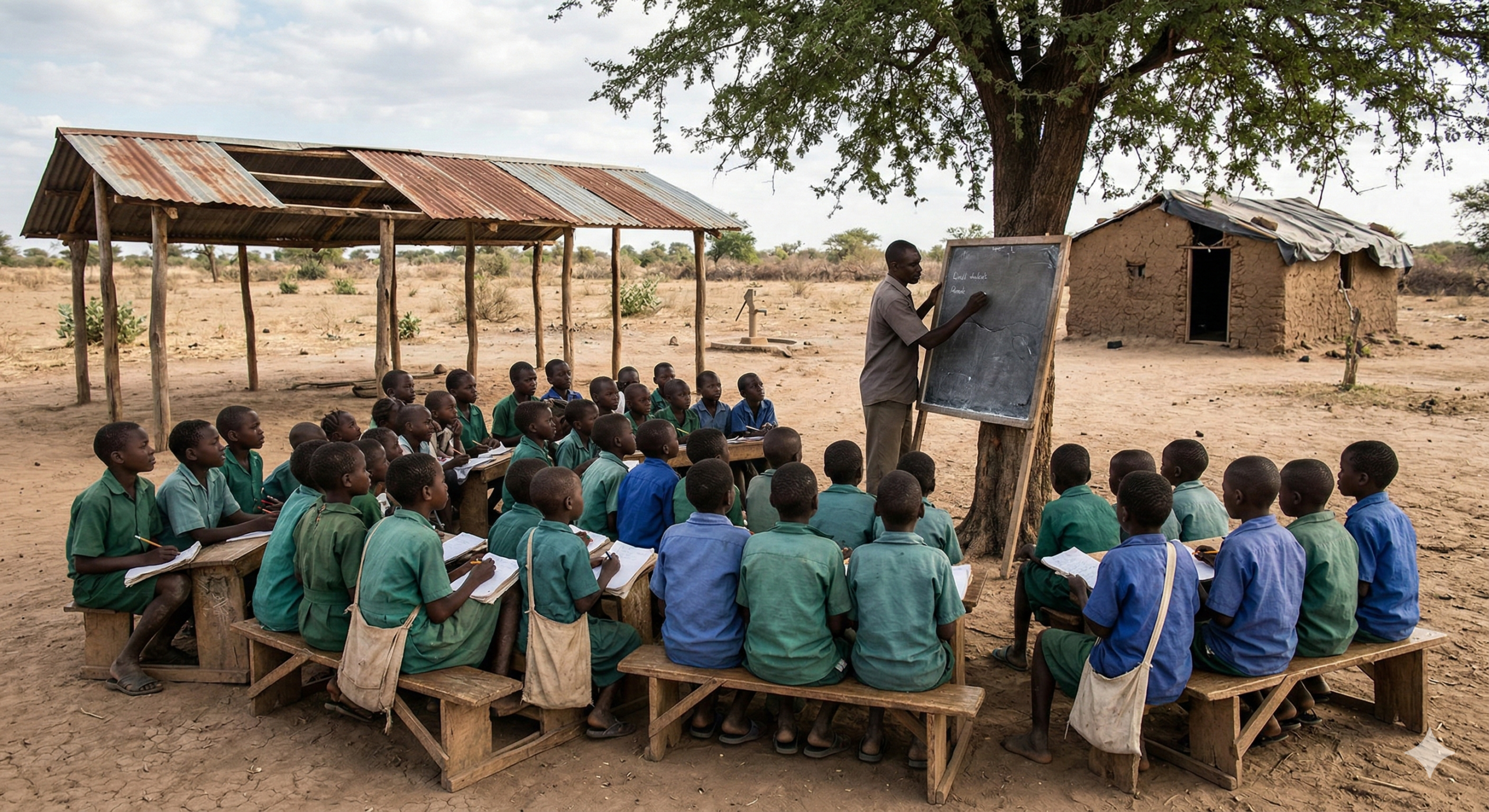
Africa is rich in culture and natural resources. Yet, its education system is facing big challenges. Despite progress, many parts of Africa struggle with education. Issues like old buildings and a lack of good teachers are common.
The problems in African education go beyond just buildings and teachers. They show deeper issues in society and politics. The past of colonialism, political troubles, and economic gaps have shaped education today. Knowing this history helps us understand and fix the big barriers in education.
Key Takeaways:
The African education system faces a multitude of challenges, including infrastructure deficiencies, teacher shortages, and gender disparities.
These issues are deeply rooted in the continent’s colonial past and persistent socioeconomic inequalities.
Dealing with the education crisis in Africa requires a comprehensive approach that tackles historical, political, and cultural barriers.
Sustainable reforms and increased investment in education are important for unlocking the potential of African youth and driving long-term societal progress.
Collaborative efforts between governments, educators, and international partners are essential for implementing meaningful and lasting change.
Understanding the Historical Context of Education in Africa
To truly appreciate the complexities of the African education system, we must explore its rich history. From the colonial era to the post-independence period, education in Africa has been shaped by many factors. These include political, social, and cultural elements.
During the colonial era, European powers controlled Africa’s education. The system was made to serve the colonizers, ignoring local needs and traditions. This led to the marginalization of African educational history and the use of foreign curricula and teaching methods.
After gaining independence, African nations worked to change their education systems. They aimed to address the imbalances of the colonial era. This led to efforts to promote indigenous languages, revitalize traditional learning, and increase education access.
Traditional vs Modern Learning Methods
- Traditional learning methods in Africa focused on oral traditions, apprenticeships, and community-based education. Knowledge and skills were passed down through storytelling, mentorship, and practical application.
- The modern education system, influenced by Western models, introduced a more formalized, structured, and text-based approach. It included standardized curricula, classroom-based instruction, and academic qualifications.
- The mix of traditional and modern learning methods has created a complex educational landscape in Africa. It presents both challenges and opportunities for students and educators.
The history of African education is complex, with influences from colonialism, post-independence reforms, and the blend of traditional and modern learning. Understanding this history is vital for improving education in Africa and creating a more inclusive and sustainable future.

Infrastructure Challenges Facing African Schools
The state of school infrastructure in Africa is concerning. Many schools have old buildings and lack basic needs. This makes learning hard and affects student success.
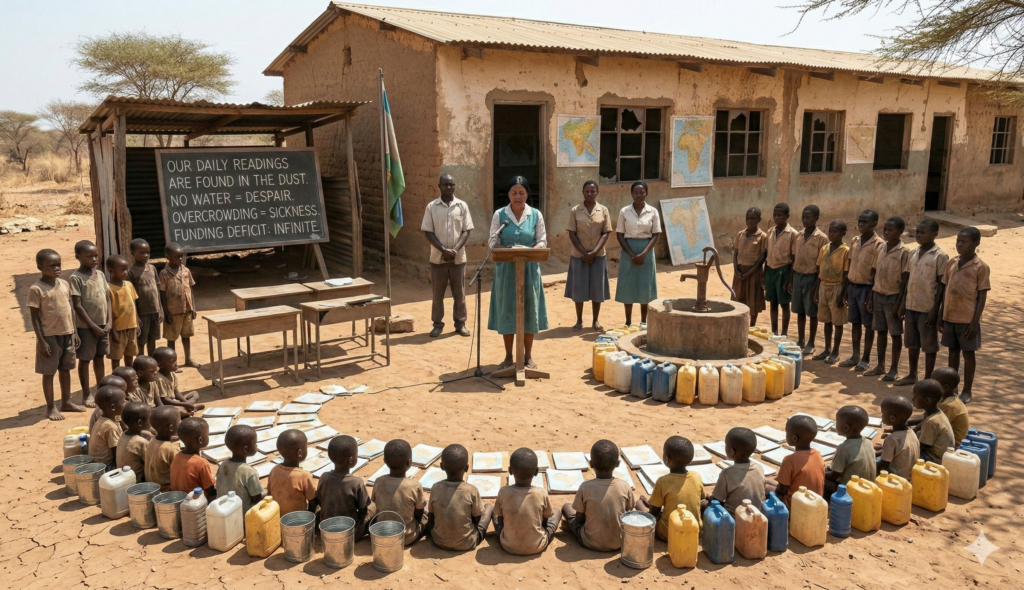
One big issue is not enough classroom space. Many schools are overcrowded and have poor conditions. They lack proper seating, light, and air, making it hard to teach well.
Access to basic things like clean water, working toilets, and electricity is also a problem. This lack of resources harms students and teachers. It also weakens the school infrastructure and educational facilities.
- Lack of basic amenities like water and sanitation compromises student health and hygiene.
- Intermittent power supply disrupts the use of technology-aided learning and hinders the integration of classroom conditions with modern teaching methods.
- The absence of libraries, science laboratories, and other specialized facilities limits the breadth and depth of the curriculum, restricting the educational experience.
Fixing these infrastructure challenges is key to better education in Africa. Investing in good school infrastructure helps students learn better. It unlocks their full potential across the continent.
The Reality of Teacher Training and Retention Crisis
Africa’s education system is facing a big challenge. It’s hard to find, train, and keep good teachers. Many teachers don’t have the right skills because of low pay, bad working conditions, and few chances for growth.
In many African countries, teachers don’t meet the basic requirements. They might only have a high school diploma or a short training. This makes it hard for them to teach well, leading to lower education standards.
Salary and Working Conditions
- Low teacher salaries make it hard to keep good teachers.
- Teachers face many challenges like bad resources, too many students, and poor buildings. This leads to many leaving their jobs.
Teachers need to keep learning to teach well. They should know about new teaching methods and how to use technology. But, many African countries don’t have enough money for good teacher training.

Fixing the teacher training and retention problem is key to better education in Africa. Leaders and education experts need to focus on improving teacher training, working conditions, and pay. This will help attract and keep the best teachers.
Gender Disparity in African Education
In Africa, education faces a big challenge: gender inequality. This issue blocks girls and women from reaching their full potential. It also slows down the region’s growth in social and economic areas. We must tackle this problem to make sure everyone gets a good education.
Cultural norms and expectations often stop girls from going to school. Many believe girls should stay home and care for the family. This thinking can lead to early marriage and pregnancy, making girls leave school early.
- Poverty also plays a big role. Families with little money often send boys to school. They see boys as future providers.
- There’s also a lack of safe schools and female teachers. This makes parents hesitant to send their daughters to school.
To fix this, we need a plan that involves everyone. Governments, leaders, and communities must work together. They should focus on gender equality and girls’ education. This means creating programs and campaigns to make sure all have access to education.
“Educating girls is not only a moral imperative, but it is also a pragmatic solution to many of Africa’s challenges. When girls are empowered through education, they become agents of change, driving economic growth, improving health outcomes, and fostering more inclusive societies.”
By tackling the gender gap in education, we can unlock the potential of millions. This will lead to a brighter, fairer future for Africa. See more: https://youtu.be/_QXC3aFywDU
Africa, Education System and Truth: Current State Analysis
Looking at Africa’s education system, we see big gaps between cities and countryside. These gaps affect how students learn and what chances they have. It’s clear that education is not fair for all.
In Africa, schools in cities are much better than those in the countryside. Cities have modern schools and lots of resources. But, rural areas have old buildings, too many students, and not enough books or computers.
This big difference makes learning hard for rural kids. It stops them from growing and learning as much as city kids.
Money and resources for schools are not spread out fairly in Africa. Rich areas and private schools get more help. Poor areas have to make do with little.
This unfair sharing makes learning harder for kids in poor places. It stops them from reaching their full potential.
Another big problem is that many African students can’t use technology for learning. Computers and fast internet are rare in rural areas. This makes it hard for students to learn important digital skills.
To fix these big problems, we need to work together. We must find ways to make education fair for all students in Africa. This means giving everyone the chance to learn well, no matter where they live or who they are.
The Impact of Poverty on Educational Achievement
Poverty is a big challenge for education in Africa. It makes it hard for students to get good education. It also limits their access to learning tools and hinders their academic growth.
One major way poverty affects education is by reducing school attendance. Families with little money often have to choose between food and school. This leads to more students dropping out and missing school often. Such disruptions can harm a student’s grades and future chances.

Also, lack of money means students can’t get basic school items. This includes textbooks, pens, and uniforms. It makes the gap between rich and poor students wider. Richer students get better resources and chances to learn.
“Poverty is the greatest obstacle to a child’s education in Africa. It is a vicious cycle that traps families in a perpetual state of limited opportunities and diminished academic achievement.”
To tackle poverty’s effect on education in Africa, we need a broad plan. We must tackle the root causes of poverty and support students and families. By doing this, we can help Africa’s youth reach their full potential. This will lead to a fairer and more prosperous future.

Language Barriers and Cultural Challenges
In African education, language and culture are big hurdles. The debate over using mother tongue or official languages is ongoing. Both sides have strong arguments.
Supporters of mother tongue education say it helps students understand and remember better, especially early on. Using their native language makes learning easier. But, the use of colonial-era languages like English, French, and Portuguese is widespread.
Those who support official languages say knowing them is key for success. They are used in schools and workplaces. This prepares students for the world outside school.
Cultural Integration in Curriculum
Adding cultural diversity to the curriculum is also crucial. African traditions and knowledge have been overlooked in favor of Western education. Including local languages, stories, and ways of solving problems can make students feel connected.
By embracing African culture, students learn to appreciate their heritage. They also get the skills to succeed globally.

To overcome language and cultural barriers in African education, we need to work together. Policymakers and teachers can create a more inclusive learning space. This space celebrates the diversity of the continent.
Government Policies and Educational Investment
Fixing Africa’s education system needs a team effort. Government policies and money for schools are key. Policymakers face big challenges in making good education plans, spending money wisely, and growing education for the long run.
Finding steady money for schools is hard. Many African governments don’t put enough money into education. This makes it tough to fix old schools, train teachers, and make sure all kids have what they need.

Starting new education policy changes is hard. Policymakers face many obstacles. They must deal with politics, red tape, and cultural differences to make real changes in schools.
But, some African countries are moving forward. Ghana is improving teacher training and using local languages in early schools. Rwanda is using technology to help kids in rural areas get better access to learning.
To really fix African education, governments need to keep investing and make smart education policy changes. By focusing on education and making big reforms, African countries can give their young people a better future.

The Role of International Aid in African Education
African education has changed a lot thanks to international aid and global efforts. These efforts have brought some great results, but there have also been challenges and failures.
International aid has helped build new schools, provide learning materials, and train teachers in Africa. Groups like UNESCO and the World Bank have worked with local governments. This has made education better in many places.
But, not all aid has worked well. Some projects failed because of funding issues, bad management, or not meeting local needs. It’s hard to improve education in different areas, showing the need for specific plans and long-term help.
The SDGs, started in 2015, set a global plan for education. Goal 4 aims to make education fair and quality for everyone. This goal has led to more students, less gender gap, and better teachers.
But, achieving the SDGs in Africa is still a challenge. Problems like old schools, no technology, and money issues keep education from improving. We need ongoing support from donors, leaders, and local people to make education better in Africa.
These questions arise:
What are the key challenges facing Africa’s education system?
How have historical factors shaped the current state of education in Africa?
What are the infrastructure challenges that African schools face?
What are the issues surrounding teacher training and retention in Africa?
How does gender disparity affect education in Africa?
We believe that Africa has the potential to be a global powerhouse, and we are committed to playing our part in helping the continent achieve its full potential.
Stay connected with us for more updates:
Website || Email || IG || Linkedln || Twitter || Whatsapp Us