
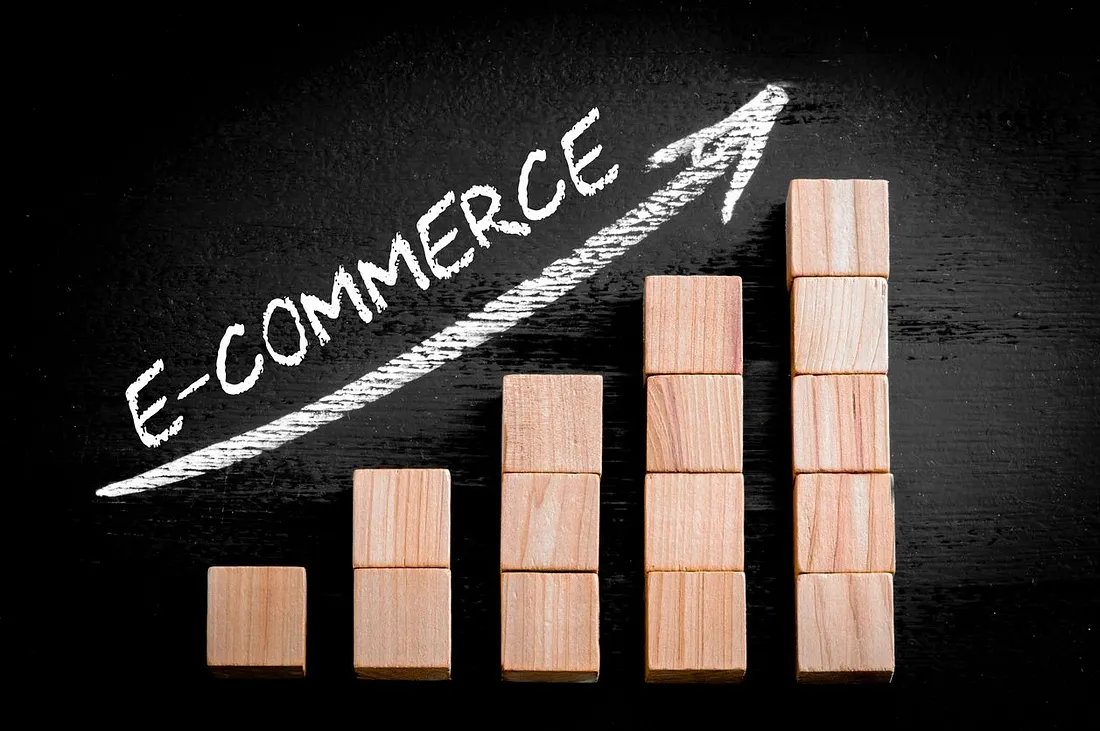
Picture a continent where the traditional marketplace, once dominated by lively street vendors and bustling crowds, is evolving into something entirely new. The familiar scenes of in-person bargaining and local trade are being replaced by the simplicity of clicks and taps. This is the reality of Africa today. The rise in E-commerce has opened up a world of possibilities to businesses and consumers alike. It is no longer a trend but a necessity for businesses seeking growth and relevance.
E-Commerce or electronic commerce is the process of buying and selling products and services over an electronic medium i.e. internet. It is conducted over computers, tablets, smartphones, and other smart devices. E-commerce helps sellers overcome the barriers of distance and time. This results in expansion of the business. Thus some people engage themselves in e-commerce even after having a regular shop. Almost anything can be purchased through e-commerce today, which makes it highly competitive.
Africa is witnessing a digital transformation that is reshaping industries and creating unprecedented opportunities. The rise of smartphones, coupled with increasing internet penetration, is driving up demand for internet purchasing. This shift is not just about convenience; it’s about accessing products and services that were previously out of reach for many Africans. The potential for e-commerce in Africa is immense. With an expanding middle class and a young, tech-savvy population, the stage is set for explosive growth. However, navigating this evolving landscape requires a deep understanding of local nuances and consumer behaviors.
Types Of E-Commerce Businesses
Depending upon your preferences, capital and online business model, there are various e-commerce models to choose from. A few business models for e-commerce are listed below:
• B2B — business sell to other business
• B2B — business sell to other businesses
• C2B — customers sell to business
• C2C — consumers sell to other consumers
• B2G — business sell to government or government agencies
• C2G — consumers sell to government or government agencies
• G2B — government or government agencies sell to business
• G2C — government or government agencies sell to consumers
• Affiliate marketing business
- Online auction selling
- Web marketing
Key Trends Driving Africa’s E-commerce Boom
Several factors are propelling the growth of e-commerce in Africa:
- Mobile-First Commerce: Mobile-first commerce is indeed a defining feature of the African e-commerce landscape, driven by the continent’s high mobile internet usage. While platforms like Jumia have made significant strides in this space, the broader success of mobile commerce is also evident in niche sectors, where specialized platforms have gained traction. For example, Twiga Foods, a Kenyan platform, connects smallholder farmers with vendors through a mobile-first approach, streamlining the supply chain for fresh produce. Another notable example is mPharma, a Ghanaian company that uses mobile technology to manage pharmaceutical distribution, ensuring affordable and accessible medications across multiple African countries.
In the fashion sector, Stylebitt in Nigeria has carved out a niche by offering mobile-friendly shopping experiences, providing ready-to-wear clothing tailored to African tastes. Similarly, Nearpays, also a Nigerian fintech platform, has leveraged mobile-first strategies to facilitate payments and financial services, making it easier for consumers to engage in e-commerce.
- Digital Payments: The emergence of digital payment solutions has significantly contributed to Africa’s e-commerce boom. While mobile money platforms like M-Pesa in Kenya were pioneers, other countries have developed their own successful systems;Nigeria (Platforms like Flutterwave, Moniepoint, OPay, and Paga offer a range of digital payment options, including mobile wallets, card payments, and bank transfers), South Africa (PayFast, SnapScan, and Zapper are popular digital payment platforms facilitating online transactions),Namibia (Sim-based mobile money services like MTC Money and Telecom Namibia Mobile Wallet have gained traction).
These platforms provide convenient, secure, and accessible payment options, encouraging more people to engage in online shopping.
- Logistics and Infrastructure: While challenges persist, investments in logistics and delivery services are improving Africa’s e-commerce landscape. Global giants like DHL and FedEx are expanding their operations across the continent, enhancing delivery capabilities. Simultaneously, local logistics startups are emerging to cater to specific regional needs. In Nigeria, Kobo360 a digital logistics platform, connects truck owners with shippers, improving efficiency in the transportation sector; while in South Africa, Parcelninja offers last-mile delivery solutions, addressing the final leg of the delivery process.
- Young and Tech-Savvy Population: Africa’s increasing youth population, with a strong affinity for technology, is a key catalyst for e-commerce growth. This demographic is digitally native, comfortable with online platforms, and increasingly prefers the convenience and variety offered by e-commerce. Examples of Tech-Savvy Youth Driving E-commerce are Social Media Influence, young Africans are leveraging platforms like Instagram and TikTok to discover products and engage with brands, influencing purchasing decisions, Mobile Commerce, with high smartphone penetration, this demographic is driving the growth of mobile commerce, making online shopping accessible on the go, and Digital Entrepreneurship, Young Africans are launching e-commerce ventures, catering to the preferences of their peers and tapping into the growing online market.
Overcoming Challenges and Seizing Opportunities in African E-commerce
The African e-commerce landscape presents a unique blend of challenges and opportunities. While the continent’s vast population and growing middle class offer immense potential, businesses must navigate a complex ecosystem characterized by infrastructure limitations, payment challenges, and trust issues.
Challenges:
• Infrastructure: Poor road infrastructure, limited warehousing facilities, and unreliable power supply hinder the efficient delivery of goods and services. This can lead to increased costs, delayed deliveries, and customer dissatisfaction.
• Internet Penetration: Despite significant improvements, internet access remains limited in many rural areas, restricting the potential customer base for e-commerce businesses. This digital divide can exacerbate existing socioeconomic disparities.
• Payment Systems: While mobile money has gained traction in certain regions, expanding access to secure and convenient payment options is important for broader e-commerce adoption. Traditional payment methods, such as cash on delivery, can be inefficient and increase the risk of fraud.
• Trust and Security: Building consumer trust in online transactions is essential for the growth of e-commerce. Addressing concerns related to data privacy, product authenticity, and secure payment systems is paramount.
• Cybersecurity: Protecting sensitive customer data from cyber threats is a critical challenge in the digital age. Businesses must invest in robust cybersecurity measures to safeguard their operations and maintain customer confidence.
Opportunities:
These challenges also present significant opportunities for innovative businesses. By addressing these issues head-on, companies can gain a competitive advantage and contribute to the development of a thriving e-commerce ecosystem.
• Digital Inclusion: Expanding internet access and providing affordable devices can help bridge the digital divide and unlock the potential of rural markets.
• Infrastructure Development: Investing in modern logistics infrastructure, such as warehouses, distribution centers, and transportation networks, can improve efficiency and reduce costs.
• Payment Innovation: Exploring alternative payment methods, such as QR codes, biometrics, and blockchain-based solutions, can enhance convenience and security for consumers.
- Trust-Building: Implementing transparent business practices, offering customer support, and building strong brand reputations can foster trust and loyalty among consumers.
- Technology Adoption: Leveraging technology, such as artificial intelligence, machine learning, and big data analytics, can optimize operations, personalize customer experiences, and improve decision-making.
To analyze the challenges and opportunities in African e-commerce, let’s apply both SWOT (Strengths, Weaknesses, Opportunities, Threats) and PESTEL (Political, Economic, Social, Technological, Environmental, Legal) frameworks.
These analyses will provide a structured way to understand the current landscape and potential strategies for businesses operating in this space.
SWOT Analysis
STRENGTH: • Growing Mobile Money Usage: High adoption of mobile money in Africa enables easier transactions.
- Large Youth Population: A significant demographic of tech-savvy young people eager to engage in online shopping.
- Untapped Market Potential: Large sections of the population are still underserved, offering opportunities for growth.
WEAKNESSES:
• Limited Internet Penetration: Rural areas lack adequate internet access, limiting market reach.
- Logistics Infrastructure: Poor road networks and limited warehousing increase operational costs and cause delivery delays.
- Payment System Challenges: While mobile money is popular, there is still a need for secure and diverse payment options.
OPPORTUNITIES:
- Innovative Payment Solutions: Expanding secure and convenient payment options can boost e-commerce adoption.
- Technology-driven Logistics: Investing in technologies like route optimization and real-time tracking can solve logistics challenges.
- Alternative Sales Channels: Exploring mobile catalogs and agent-based models can reach customers with limited internet access.
THREATS:
• Cybersecurity Risks: The rise in cyber threats poses significant risks to customer data and overall business operations.
• Consumer Trust Issues: Building and maintaining trust in online transactions is a continuous challenge.
• Regulatory Hurdles: Varying regulations across African countries can complicate cross-border e-commerce.
PESTEL Analysis
POLITICAL:
- Regulatory Environment: Varying e-commerce regulations across different African nations can complicate business operations.
- Government Support: Some governments are beginning to support digital initiatives, which could positively impact e-commerce.
ECONOMIC:
• Economic Growth: Many African countries are experiencing steady economic growth, creating a favorable environment for e-commerce.
• Income Disparity: Economic inequality can limit the purchasing power of large segments of the population.
SOCIAL:
• Cultural Preferences: Consumer trust in traditional shopping methods poses challenges to e-commerce adoption.
• Youth Demographic: The young population is more inclined to adopt new technologies, making them a key target for e-commerce.
TECHNOLOGICAL:
- Mobile Penetration: High mobile phone usage presents opportunities for mobile-based e-commerce solutions.
- Limited Internet Infrastructure: Inadequate internet infrastructure in rural areas limits e-commerce expansion.
ENVIRONMENTAL:
- Sustainability: Growing awareness of environmental issues could drive demand for eco-friendly products and practices.
- Logistics Challenges: The geographical diversity and poor road infrastructure pose environmental and logistical challenges.
LEGAL:
- Cybersecurity Laws: Strengthening cybersecurity regulations is essential for protecting consumer data.
- Consumer Protection: Laws ensuring consumer rights and product quality are necessary for building trust in online shopping.
Key insights for overcoming challenges in African e-commerce include exploring alternative sales channels, such as mobile catalogs or agent-based models, to reach customers with limited internet access. Investing in technology-driven logistics solutions, like route optimization and real-time tracking, can mitigate the challenges posed by poor infrastructure. Additionally, developing more secure and convenient payment systems will be essential for broader adoption of e-commerce.
Finally, building trust by strengthening cybersecurity and enhancing consumer protection laws will be vital for establishing and maintaining trust in online transactions.
Strategies for Thriving in Africa’s E-commerce Landscape
To succeed in Africa’s dynamic e-commerce environment, businesses must adopt strategic approaches that address the unique challenges and opportunities presented by the market.
Here are some key strategies:
Understanding the African Consumer
- Localize Product Offerings: Tailor products and services to meet the specific needs and preferences of African consumers.
- Leverage Mobile-First Approach: Prioritize mobile optimization for websites and apps to cater to the mobile-centric African consumer.
- Build Trust and Credibility: Implement robust customer support channels and transparent return policies to build trust and loyalty.
Mastering Logistics and Supply Chain
• Partner with Local Logistics Providers: Collaborate with local logistics companies to overcome infrastructure challenges and ensure efficient delivery.
- Develop Effective Distribution Networks: Establish a strong distribution network to reach customers in both urban and rural areas.
- Invest in Technology: Utilize technology to optimize inventory management, route planning, and delivery tracking.
Leveraging Digital Marketing and Technology
- Social Media and Content Marketing: Utilize platforms like Facebook, Instagram, and TikTok to reach and engage with target audiences.
- Data Analytics: Leverage data to understand customer behavior, optimize marketing campaigns, and improve product offerings.
- Mobile Payments: Integrate popular mobile payment platforms to provide convenient and secure payment options.
- Cybersecurity: Prioritize cybersecurity measures to protect customer data and build trust.
Building Strong Partnerships
• Collaborate with Local Businesses: Partner with local businesses to expand reach and leverage their expertise.
• Engage with Government and Regulatory Bodies: Stay informed about relevant policies and regulations to ensure compliance and advocate for favorable business environments.
• Leverage International Partnerships: Collaborate with global e-commerce players to access technology,expertise, and markets.
By implementing these strategies and adapting to the evolving African e-commerce landscape, businesses can position themselves for long-term success.
- What is the biggest challenge for e-commerce businesses in Africa?
- Which factor is most critical for the growth of e-commerce in Africa?
- What strategy is most effective for overcoming logistics challenges in Africa?
- Which payment innovation would most benefit African e-commerce?
- Which industry will benefit the most from the e-commerce boom in Africa?
Stay connected with us for more updates:
Website || Email || IG ||Linkedln || Twitter || Whatsapp Us