
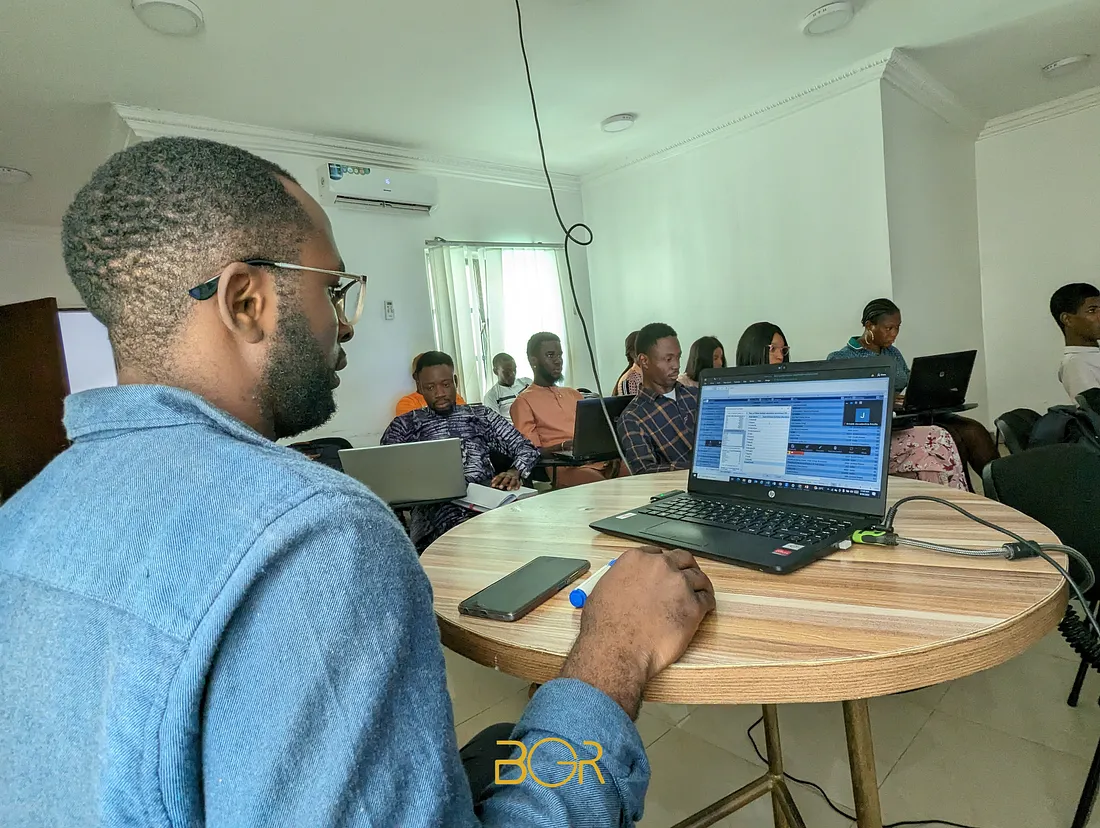
The transition to a digital economy in Africa is increasingly recognized as a vital pathway for economic growth and development. Central to this transition is human capital, which encompasses the education, skills, and health of the population. As Africa strives to utilize its technological potential, understanding the interplay between human capital development and technological innovation becomes essential.

Africa is currently undergoing an exciting transformation, shifting towards a digital economy. It’s a continent full of promise, and one of its greatest assets is its people, especially its young population. With the rise of mobile phones, the internet, and increasing investment in tech startups, Africa has the potential to emerge as a major global digital power. The hitch is that in order to fully realise this potential, human capital — meaning the skills, knowledge, and talent within the population needs to be nurtured and utilized effectively.
Africa’s Digital Growth
Africa’s ICT industry is expanding rapidly. In 2023 alone, investments in African tech startups reached an all-time high of $3 billion. That’s no small feat. And this is just the beginning. The digital economy is expected to add over $180 billion to Africa’s GDP by 2025. If you think about it, that’s like a whole new economic sector opening up. The expansion is being driven by more Africans connecting to the internet and embracing mobile technologies, which are often more accessible than traditional infrastructure.
Take Kenya, Nigeria, and South Africa, for example, these countries have become the go-to hubs for tech innovation. Fintech is especially thriving, with 60% of the continent’s tech investment pouring into it, making it a key player in Africa’s digital ecosystem. Meanwhile, eCommerce and Edtech are rapidly evolving, creating new jobs and opportunities.
Here’s where it gets interesting: all this digital growth depends on people who can make it happen. The workforce is the backbone of this transformation, and Africa’s biggest asset is its young, growing population. Over 60% of the continent is under the age of 25, which presents a huge opportunity. The problem is that a large number of young people do not possess the specialised skills necessary to succeed in the digital economy. This is where human capital plays a critical role.
Africa needs millions of skilled workers in the tech sector. Estimates suggest that by 2030, there will be a demand for at least 10 million digital workers. From software developers and data scientists to AI engineers and cybersecurity experts, the skills gap is real. And this gap isn’t just a problem for tech companies — it’s holding back entire economies from reaching their full potential.
Stats That Tell the Story
To get a better sense of the scale of transformation happening in Africa, consider these numbers:
- In 2023, the number of internet users in Africa reached 650 million, with penetration increasing from 28% in 2010 to 50% today. That’s a lot more people online, creating new opportunities for businesses and consumers alike.
- Fintech, in particular, has been a standout success. It accounted for nearly 38% of the continent’s digital economy in 2022, proving that Africa’s tech potential lies not just in innovation but in inclusivity bringing banking and financial services to people who previously had no access.
- Countries like Nigeria, South Africa, and Kenya have become the tech hubs attracting attention from major global investors. These countries are leading the charge, but the potential for growth across the continent is vast.
Current Challenges
- Education Quality: While enrollment rates in primary education have improved significantly, the quality of education remains a major concern. According to UNESCO, about 60% of children in sub-Saharan Africa are not achieving minimum proficiency levels in reading and math by age 10. This gap means that even if young people are in school, they may not be learning the skills necessary for today’s job market.
- Skill Mismatch: Employers often report difficulties finding candidates with the right skills. A 2020 survey by PwC revealed that 77% of CEOs in Africa are concerned about skill shortages. This disconnect between what educational institutions provide and what employers need can stifle economic growth.
- Health Issues: Health challenges also play a significant role in human capital development. Poor health outcomes can limit productivity and economic participation. For instance, high rates of malaria and other diseases can keep individuals from attending school or work consistently.
Building a Skilled Workforce
The journey toward a thriving digital economy in Africa is not solely dependent on technology; it requires a concerted effort to develop human capital.
To capitalize on these opportunities, Africa must invest strategically in its human capital. Here are some actionable steps that can help:
1. Reforming Education Systems
- Curriculum Overhaul: Educational institutions need to focus on STEM (Science, Technology, Engineering, Mathematics) education while also integrating soft skills like critical thinking and problem-solving.
- Teacher Training: Investing in teacher training programs ensures that educators are equipped with modern teaching methods and technologies that engage students effectively.
2. Expanding Vocational Training
- Technical Institutes: Establishing more vocational training centers can provide practical skills that align with market demands. For example, training programs focused on coding or digital marketing can prepare youth for high-demand jobs.
- Apprenticeship Programs: Collaborating with industries to create apprenticeship opportunities allows students to gain hands-on experience while still studying.
3. Enhancing Health Infrastructure
- Access to Healthcare: Improving healthcare services ensures that individuals can lead healthy lives and remain productive members of society.
- Mental Health Support: Managing mental health issues is equally important; a healthy mind fosters creativity and innovation.
With determination and collaboration among governments, private sectors, and communities, Africa can transform its youthful energy into a powerful engine for innovation and prosperity. The future is bright — let’s embrace it together!
The Role of Digital Identity in Boosting Human Capital in Africa
Imagine living in a place where you can’t prove who you are. For many people in Africa, this is a reality. Without a formal identity, accessing basic services like education, healthcare, and financial resources can be incredibly challenging. This is where digital identity comes into play, and it has the potential to change lives for the better.
Making Services Accessible
Education and Healthcare: Digital identity systems can help people access essential services more easily. In many African countries, millions of individuals lack any form of legal identification. This can keep them from enrolling in school or receiving medical care. For example, if a child wants to attend school but doesn’t have an ID, they might be turned away. Countries like Ghana are tackling this issue with initiatives like the Ghana Card, which serves as a national ID that links various services together. With such a card, citizens can easily prove their identity when accessing healthcare or education. This means more children can go to school and more people can receive the medical attention they need.
Social Safety Nets: Digital IDs also play a crucial role in social protection programs. Many vulnerable groups like women and children often miss out on assistance because they lack identification. When governments use digital ID systems, they can better identify who needs help and ensure that support reaches the right people. This targeted approach not only helps individuals but also strengthens communities by providing a safety net for those who need it most.
Promoting Financial Inclusion
Banking Access: Another significant impact of digital identity is on financial inclusion. Many people in Africa don’t have access to banking services simply because they can’t prove who they are. Digital IDs simplify this process for banks, allowing them to offer services to those who were previously excluded. Take is Nigeria’s eNaira as an example, the country’s central bank digital currency (CBDC), launched in 2021. The eNaira aims to improve financial inclusion by giving millions of unbanked Nigerians access to digital financial services through mobile phones, regardless of whether they have a traditional bank account. By linking financial services to digital identities, it enables individuals to send money, pay bills, and even save all without needing a traditional bank account.
Empowering Entrepreneurs: Digital IDs can also empower entrepreneurs. Small business owners often struggle to secure loans due to lack of proper documentation. With a digital ID, they can more easily access credit and support programs that help them grow their businesses. Imagine a young woman starting her own bakery having a digital ID could open doors for her to get the funding she needs to turn her dream into reality.
Strengthening Governance and Security
Reducing Fraud: Digital identity systems also enhance governance by reducing fraud and corruption. When there’s a reliable way to identify individuals, it becomes harder for people to cheat the system. This builds trust between citizens and their governments, encouraging more investment and economic activity.
Protecting Rights: Having a recognized digital identity is crucial for protecting legal rights as well. It gives individuals proof of citizenship or residency, which is especially important for marginalized groups who might face discrimination. By ensuring everyone has access to legal recognition through digital IDs, governments can promote equality and protect individual rights.
Digital identity has the potential to be a game-changer for improving human capital in Africa. By making essential services more accessible, promoting financial inclusion, and strengthening governance, digital IDs can empower individuals and communities alike. However, achieving this potential requires collaboration among governments, businesses, and civil society to create systems that prioritize privacy and inclusivity. As African nations continue their journey toward digital transformation, investing in robust digital identity solutions will be key to unlocking the continent’s full potential ensuring that everyone has the opportunity to thrive in today’s world.Let’s embrace this exciting future where everyone has the chance to succeed!
Some successful examples of technological solutions improving human capital in African countries
Across Africa, technology is helping to solve real human capital challenges think education access, skill-building, and employment. Here are a few standout examples where tech is creating pathways for people to learn, work, and thrive.
Andela (Nigeria, Kenya, Uganda, Rwanda)
Andela is like a career launcher for African tech talent. They identify people with coding potential, train them, and then connect them with companies worldwide that need software developers. Andela has helped thousands of developers build in-demand skills and find work, often without needing to relocate. It’s a win-win — companies get great talent, and developers get career-changing opportunities.
Moringa School (Kenya)
Moringa School is a bit like a bootcamp for coding, designed specifically to meet Africa’s growing demand for tech skills. They train students in things like web and mobile development, data science, and machine learning. And the payoff? Graduates are landing jobs at top tech companies in Africa and beyond, with many securing jobs before even finishing the program. Moringa is building a direct pipeline from education to employment, bridging the skills gap in real-time.
Flutterwave (Nigeria)
Flutterwave might seem like just a payment platform, but it’s helping small businesses in a big way. By making it easy to process payments online, Flutterwave allows businesses to sell products and services not just locally but to global customers. This access to wider markets is huge for small businesses that otherwise might struggle to grow. It’s a great example of how tech can empower entrepreneurs, driving job creation and skill development across the board.
uLesson (Nigeria)
uLesson has taken school lessons mobile. It’s an app that provides video lessons, quizzes, and practice exams covering core subjects like math and science. Designed with local curriculums in mind, it allows kids to learn at their own pace, even if they’re in remote areas with limited access to quality schools. By making high-quality education accessible via smartphones, uLesson is preparing students for a brighter future, helping bridge educational gaps across the continent.
Haraka App (East Africa)
Haraka is a micro-lending app that gives people access to small loans via their phones. This is game-changing for entrepreneurs who lack access to traditional banks. The app uses data from users’ smartphones to evaluate their creditworthiness, meaning people without a formal credit history can still qualify. It’s an example of how tech is bringing financial services to those who need them most, enabling many to grow their businesses or start new ones.
Gebeya (Ethiopia)
Gebeya is Ethiopia’s answer to the tech talent marketplace. They train professionals in software development, data science, and digital marketing, then connect them with companies looking to hire. This setup gives African tech pros access to flexible freelance work while also helping companies find skilled talent locally, instead of looking overseas. Gebeya is strengthening Africa’s talent base and creating more job opportunities in tech.
African Management Institute (AMI)
AMI focuses on business skills training for small business owners and entrepreneurs in countries like Kenya, Uganda, and Rwanda. They offer practical training on things like managing finances, growing a business, and leading teams. By teaching essential skills and providing mentorship, AMI helps entrepreneurs create stronger businesses, which, in turn, supports job creation in their communities.
Eneza Education (Kenya, Ghana, Ivory Coast)
Eneza makes learning accessible even on basic mobile phones. Students can access educational content through SMS, which is perfect for remote areas without internet. It’s helping students improve literacy and math skills by putting learning resources right in their hands, no matter where they live. Eneza is a prime example of tech adapting to local realities to make education more inclusive.
SAP Africa Code Week
SAP Africa Code Week introduces kids to coding and digital skills, often through workshops and classes. By exposing young Africans to coding early on, this program is preparing the next generation for future tech careers. Millions of kids across the continent have participated, learning foundational skills that can open doors in the digital economy.
Codetrain (Ghana)
Codetrain in Ghana runs coding bootcamps that give young people the skills to start careers in tech. They offer training in web development, mobile app development, and even help with job placement. Codetrain’s approach is practical — teach market-ready skills and connect people with job opportunities. For many young Ghanaians, Codetrain is a launchpad into the tech industry.
These examples show how African entrepreneurs and innovators are using tech to open up new possibilities for learning, work, and growth. They’re not just filling skill gaps; they’re building a future where Africans can thrive in a digital-first world.
How do digital identity systems contribute to economic growth in Africa
Digital identity systems are a powerful tool for economic growth across Africa. At their core, these systems make it easier for people to prove who they are, which opens doors to everything from banking to healthcare. For millions across the continent, especially those in rural areas, having a verified digital identity means they can access services that were previously out of reach. Here’s how this plays out in practical terms and drives economic growth.
1. Increasing Access to Financial Services
A major barrier to financial inclusion in Africa has been the lack of formal identification. Many people can’t open bank accounts because they don’t have traditional IDs, but with digital IDs, it’s a different story. These systems allow banks to verify identities quickly and affordably, so people can open accounts, apply for loans, or even start businesses. More people using banking services means more money flowing through the economy, which fuels growth.
For example, in Nigeria, the National Identity Management Commission has integrated digital identity verification, which helps banks reach people in remote areas. When people can save, borrow, and invest money, it has a huge impact on household income and community development.
2. Boosting E-commerce and Digital Trade
Digital identities also make it easier for people to participate in online commerce. With verified IDs, people can sign up on e-commerce platforms, pay securely, and even export their products or services. Small businesses can expand beyond their local markets, reaching customers across borders within Africa and even globally. This cross-border trade encourages economic interaction between countries and contributes to the growth of the digital economy.
Take South Africa’s Smart ID, for instance, it allows people to access secure online services, including e-commerce platforms, which helps small businesses grow. When entrepreneurs can safely sell their products online, it increases business activity and contributes to a more dynamic economy.
3. Making Government Services More Efficient
Digital IDs also help governments serve their citizens better. By digitizing identity verification, governments can streamline services like healthcare, education, and social benefits. For instance, rather than relying on in-person visits, citizens can apply for services online, which reduces paperwork, cuts costs, and speeds up service delivery. This efficiency means that resources can go further, and the savings can be reinvested in other areas of the economy.
In countries like Rwanda, digital IDs are linked with healthcare and education databases, making it easier for people to access essential services without having to wait in long lines or travel great distances. Healthier, better-educated populations are a cornerstone of economic growth.
4. Supporting Small and Medium Enterprises (SMEs)
For entrepreneurs and SMEs, digital identity can be a game-changer. When business owners have verifiable IDs, they can apply for loans, set up bank accounts, and register their businesses more easily. With the support of financial institutions, these businesses can scale, creating jobs and driving economic activity. SMEs are the backbone of most African economies, so anything that helps them grow has a significant impact.
For example, Kenya’s eCitizen platform lets business owners register their companies digitally, cutting down on the hassle and expense of traditional registration. When small businesses can set up more easily, they’re more likely to succeed, creating jobs and boosting local economies.
5. Unlocking Access to Digital Skills and Jobs
Digital identity is also making it easier for people to access online learning and remote work opportunities. Many platforms require verified IDs to sign up, which adds a layer of trust and security for employers and educators. As more Africans gain access to online education and remote work, they’re building valuable skills that can be applied locally or in the global job market.
For example, African developers and freelancers on platforms like Andela, Jobberman and Upwork can verify their identities to access work-from-home jobs. This trend not only brings in foreign income but also helps build a skilled workforce that will contribute to Africa’s future digital economy.
6. Reducing Fraud and Corruption
Digital identity systems can significantly reduce fraud and corruption within both public and private sectors. By providing a reliable means of verification, these systems enhance trust in transactions and interactions with government entities. For example, countries implementing digital IDs have reported reductions in identity theft and fraud cases, creating a more stable environment for investment.In turn, this stability attracts foreign direct investment (FDI). Investors are more likely to engage in markets where they can trust that their transactions are secure and that the regulatory environment is transparent. As noted in various reports, improved governance through digital ID systems can lead to increased FDI inflows, further stimulating economic growth
Digital identities are, in essence, far more than a convenience.they’re a foundation for economic empowerment. By making it easier for people to access financial services, trade, government support, and jobs, digital IDs are setting the stage for a more inclusive and resilient African economy.
How much more vibrant could our economies be if entrepreneurs had the tools they need to thrive, thanks to secure and reliable digital identities?
Can we truly unlock the potential of regional trade and cooperation without standardized identification that facilitates cross-border transactions?
BGR is passionate about innovation and tackling the challenges that hinder progress. We focus on providing human capital, new business strategy, and operational solutions across various sectors, empowering companies and government entities to thrive in today’s dynamic.
With great enthusiasm, we introduce Project 1000 — an initiative designed to address the critical issue of youth unemployment in Nigeria. This project targets young Nigerians aged 20 to 40, aiming to equip them with essential skills to secure sustainable employment and contribute meaningfully to the nation’s economic growth.
As African nations continue to navigate the complexities of development, embracing digital identity solutions can unlock immense potential for individuals and communities alike. The benefits extend far beyond mere identification; they create pathways for empowerment, innovation, and sustainable economic progress. Now is the time for governments, businesses, and civil society to collaborate and invest in robust digital identity initiatives. By prioritizing these systems, we can ensure that every citizen has the opportunity to participate fully in their economy, driving growth and fostering a brighter future for all. Together, let’s champion the cause of digital identity and pave the way for an inclusive and thriving Africa!
Stay connected with us for more updates:
Website || Email || IG ||Linkedln || Twitter || Whatsapp Us