
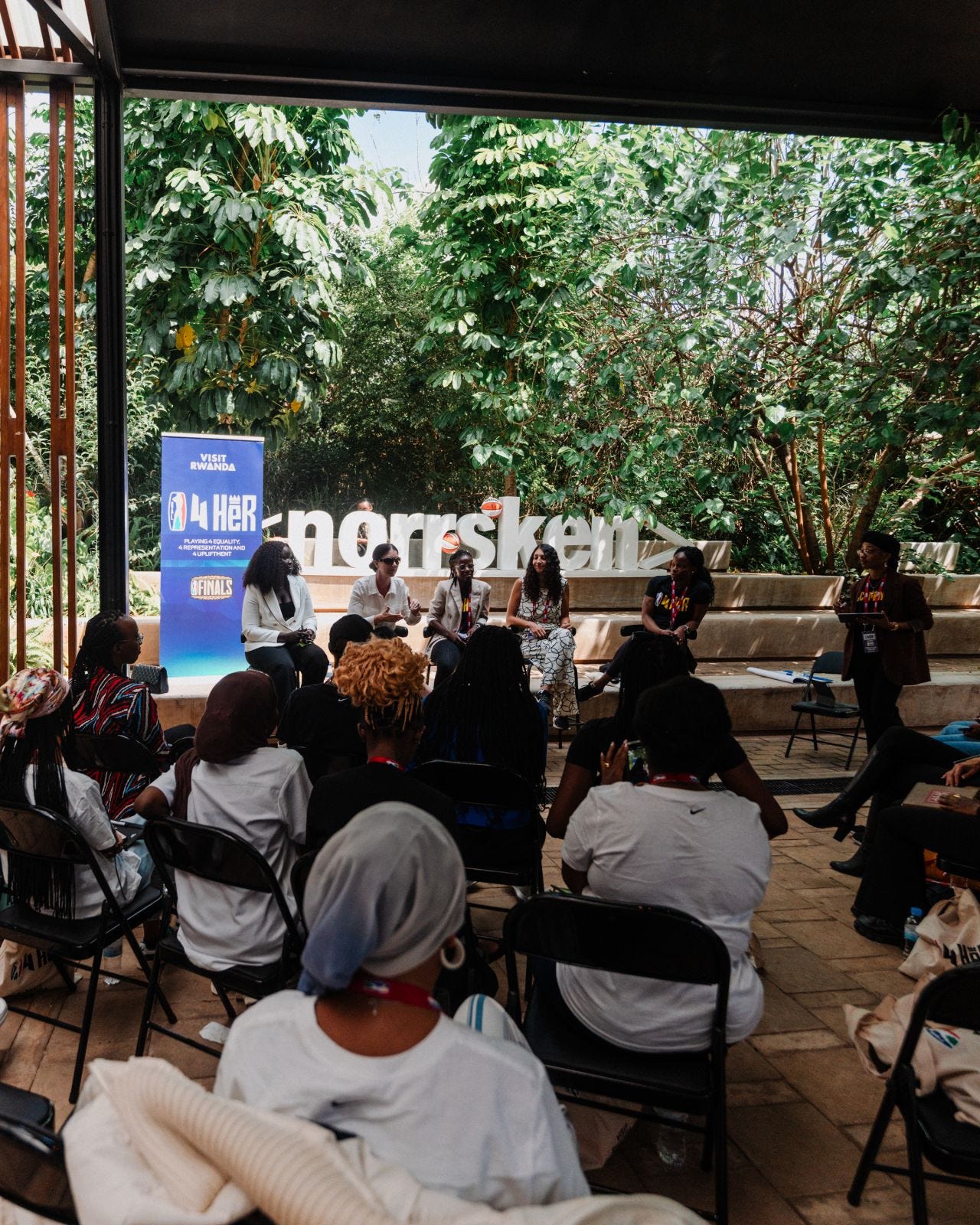
Africa’s sports business, known for its large reservoir of talent and devoted fan base, is about to undergo a significant shift. With a rapidly growing young population, rising disposable incomes, and the digital revolution, the business of sports in Africa is primed for growth. While challenges such as inadequate infrastructure and limited investment persist, industry leaders across the continent are actively shaping a more professionalized, commercially viable sports ecosystem.

Africa, with its population of 1.3 billion, is the youngest continent in the world. By 2050, one in three young people globally will be African. This remarkable demographic shift provides many young Africans with a promising future through sports, which are increasingly becoming a means to overcome societal marginalization, especially for the most vulnerable. Beyond promoting gender equality, sports have the potential to drive transformative change across Africa, contributing to the continent’s achievement of its Sustainable Development Goals (SDGs).
The Growing Popularity of African Sports
African sports have witnessed a surge in popularity both domestically and internationally. Football, basketball, cricket, and athletics are among the most popular sports on the continent. The success of African athletes in global competitions, such as the FIFA World Cup and the Olympics, has further elevated the profile of African sports.
Key factors driving the popularity of African sports include:
- Passionate Fan Base: African fans are incredibly loyal and enthusiastic, creating a vibrant sports culture.
- Rising Talent: Africa is home to a wealth of talented athletes who are making their mark on the global sports stage.
- Increasing Global Exposure: The growth of sports media and broadcasting has helped to increase the visibility of African sports worldwide.
1. Market Size and Potential
Africa’s sports economy remains relatively small compared to global markets, but its growth trajectory is promising. According to a report by Mordor Intelligence, the sports market in Africa is projected to grow at a compound annual growth rate (CAGR) of 8% from 2021 to 2026. This growth is fueled by various sectors within the sports economy, including broadcasting rights, sponsorship deals, merchandise sales, and event organization. For instance, the Nigerian Sports Industry alone is expected to reach a valuation of $1 billion by 2025, showcasing the potential for economic impact in one of Africa’s largest markets.
Leaders like CAF President Patrice Motsepe have emphasized that Africa’s economic future lies in leveraging its vast youthful talent, combined with technological advancements and foreign investment. The demand for sports-related content, sponsorship, and events is growing as urbanization and middle-class expansion continue to accelerate across the continent.
Key Sectors
Africa’s sports market, though still in its early stages compared to global giants like Europe and North America, is valued at billions of dollars. According to a PwC report, the continent’s sports economy, which includes revenues from ticket sales, sponsorships, media rights, and merchandising, is projected to grow at a compound annual growth rate (CAGR) of 4.7% between 2020 and 2025. While this growth rate may seem modest, it reflects the sports industry’s untapped potential in Africa.
Key sectors contributing to this market include:
- Football: Football remains the most popular sport in Africa, and it represents a significant portion of the continent’s sports economy. Leagues such as South Africa’s Premier Soccer League, the Egyptian Premier League, and the Nigerian Professional Football League are key contributors to revenue generation.
- Athletics: Africa has long been a powerhouse in athletics, with countries like Kenya and Ethiopia dominating global middle- and long-distance races. The success of African athletes on the international stage brings sponsorship deals, media attention, and economic opportunities for related industries such as tourism.
- Basketball: The NBA’s recent push into Africa, highlighted by the creation of the Basketball Africa League (BAL) in 2021, marks a significant milestone. It opens new revenue streams for sponsorship, broadcasting rights, and merchandising while also driving interest in basketball across the continent.
Other popular sports like rugby, cricket, and boxing are also contributing to the continent’s sports economy, though on a smaller scale.
Investment Opportunities
Several countries across Africa have recognized the economic potential of sports and are investing in the sector to boost economic growth, enhance national pride, and create jobs. This investment is primarily seen in the construction of sports infrastructure, sponsorship deals with major brands, and the development of talent.
- Infrastructure Development: Many African nations are investing in building world-class stadiums and training facilities to attract international tournaments and local sports events. Countries like Morocco, South Africa, and Egypt have hosted prestigious events such as the FIFA World Cup and the Africa Cup of Nations (AFCON), demonstrating their ability to draw significant investment through sports.
- Sponsorship and Media Rights: Global and local brands are increasingly investing in sponsorship deals across Africa’s major sports leagues. Major corporations, such as MTN, Vodacom, and Glo, have secured naming rights and sponsorship deals with football leagues and national teams. The media rights market is also expanding, with broadcasters like SuperSport and Canal+ competing for the rights to air African sports content.
- Talent Development: African athletes have long been recognized for their talent, especially in football and athletics. However, there is a growing interest in harnessing this talent through academies and training centers. Private investors and sports organizations are increasingly opening academies to nurture young athletes who can compete at the highest levels of sports globally. The academies, in turn, stimulate local economies by creating jobs and attracting investment.
2. Broadcasting and Media Rights
Broadcasting and media rights are rapidly becoming critical revenue streams for African sports, with their potential largely untapped. The CAF’s historic $1 billion media rights deal in 2022 marked a significant turning point, highlighting the importance of media rights as a sustainable income source for leagues and clubs. This landmark agreement aims to elevate African football’s global profile and sets a precedent for other sports organizations across Africa to monetize their media assets effectively.
Major players in the broadcasting sector include SuperSport and StarTimes, which have built extensive networks to capture both local and international audiences. SuperSport, a subsidiary of MultiChoice, dominates the market by holding exclusive rights to major leagues and competitions, while StarTimes has rapidly expanded its footprint with affordable packages that cater to a broad demographic, including rural audiences.
The rise of e-sports represents another lucrative avenue for broadcasting in Africa. With a young, tech-savvy population, the continent is well-positioned to become a hub for competitive gaming, providing opportunities for media rights monetization and audience engagement. As e-sports gains popularity, it could complement traditional sports broadcasting and attract new viewers.
The future of media rights in African sports looks promising, driven by opportunities such as monetizing local leagues and global partnerships. However, challenges like governance issues, inconsistent funding, and piracy persist. Addressing these challenges will require collaboration among sports organizations, broadcasters, and policymakers.
3. Infrastructure Deficits
The growth of sports in Africa faces significant challenges due to infrastructure deficits, impacting athlete development and the overall sports industry. As of 2024, only 10% of sports facilities in Africa meet international standards, with 70% of nations lacking adequate infrastructure for professional sports. Many stadiums, such as South Africa’s FNB Stadium and Nigeria’s National Stadium, are outdated and require substantial renovations.
Many African countries lack high-performance training centers, with the IOC noting that even talent-rich nations like Ethiopia and Kenya rely on basic facilities. At the grassroots level, only 30% of children have access to adequate sports infrastructure, limiting participation and talent development.
Poor infrastructure directly affects athlete performance and development. Athletes from nations with better facilities are 50% more likely to excel internationally. Additionally, inadequate facilities increase injury risks and contribute to underperformance, as evidenced by Africa’s 5% medal share at the Tokyo Olympics.
The infrastructure deficits also hinder economic growth. Investment in sports infrastructure could create 2 million jobs by 2030 and boost tourism revenue by 20–30% during major events. The 2010 FIFA World Cup in South Africa generated approximately $3.6 billion in tourism income, showcasing the potential benefits of improved sports facilities.
Some African governments are recognizing the need for better infrastructure. For instance, Kenya is investing in new facilities for the 2025 African Games, while Nigeria aims to renovate existing stadiums. Private sector involvement is also increasing, with companies like MTN partnering with local governments to develop sports facilities. Public-private partnerships, such as those explored in Rwanda, are essential for funding and maintaining sports infrastructure.
By investing in high-quality facilities and training centers, African nations can enhance athlete development, improve performance in international competitions, and generate economic benefits through job creation and tourism. Collaborative efforts between governments and the private sector are key to building a sustainable sports ecosystem in Africa, ultimately benefiting the continent and its youth.
4. Sponsorship: The Lifeblood of African Sports
Sponsorships are the backbone of the global sports industry, and Africa is no exception. However, the continent’s sponsorship market remains underdeveloped, with only a handful of local brands engaging in sports partnerships. This is slowly changing as African companies recognize the value of associating their brands with popular sports.
Telecommunications companies have been at the forefront of sponsorship in African sports, with MTN and Airtel leading the charge. MTN’s extensive involvement includes its sponsorship of the Ivory Coast Football Federation, while Airtel’s Airtel Rising Stars program has played a significant role in nurturing young football talent across the continent. These corporate partnerships not only provide financial backing but also contribute to the development of local sports infrastructure, youth programs, and grassroots initiatives, helping to build a more sustainable sports ecosystem in Africa.
While local brands are making headway, international brands continue to dominate the African sports sponsorship landscape. Companies like Nike, Puma, and Adidas have a strong presence, sponsoring athletes, teams, and national federations. These partnerships are instrumental in elevating African sports to a global stage. For instance, in 2023, Puma renewed its partnership with the Confederation of African Football (CAF), reinforcing its commitment to sponsoring major continental competitions like the Africa Cup of Nations (AFCON). This move not only underscores Puma’s confidence in the commercial potential of African sports but also helps boost the visibility of African athletes and teams in the global arena.
Despite the positive trends, challenges remain in securing consistent and broad-based sponsorships across Africa. Many local companies still shy away from investing in sports due to concerns over governance issues, return on investment (ROI), and the fragmented nature of sports administration on the continent. However, there are opportunities for growth, particularly as sports such as basketball, athletics, and e-sports gain traction. Increasing audience engagement through digital platforms, improved infrastructure, and the rising popularity of African athletes globally make the sports sponsorship market increasingly attractive.
Sponsorship remains the lifeblood of African sports, driving growth and sustainability. While international brands continue to dominate, local companies like MTN and Airtel are stepping up their involvement, creating a more vibrant and sustainable sports ecosystem. As more businesses recognize the commercial potential of African sports, the continent could see a new wave of sponsorship deals that will contribute to the development of sports at all levels — from grassroots programs to professional leagues. Collaboration between local and international sponsors, along with improved governance and digital engagement, will be key to unlocking the full potential of Africa’s sports sponsorship market.
5. Athlete Management and Branding
Africa has produced numerous globally celebrated athletes, from footballers like Didier Drogba and Samuel Eto’o to long-distance runners like Eliud Kipchoge. However, many African athletes struggle to fully maximize their earnings and establish long-term, sustainable careers. Despite their success on the world stage, gaps in athlete management and personal branding have often limited their potential to capitalize on commercial opportunities.
Athlete management in Africa is slowly becoming more sophisticated as professional agencies step in to provide much-needed support. Agencies like Athletes Sphere Management are at the forefront of this shift, bridging the gap between African talent and global commercial opportunities. These agencies play a crucial role in managing athlete contracts, negotiating endorsements, and crafting personal branding strategies that boost athletes’ global appeal.
For instance, Didier Drogba used his international fame not only to excel in football but also to build a brand that transcends the sport. Through strategic partnerships with global brands like Pepsi and Nike, Drogba has cemented his image as a global icon. This kind of personal branding helps athletes secure lucrative endorsement deals that extend well beyond their playing careers.
The Importance of Personal Branding
One of the key aspects of athlete management today is personal branding. African athletes with strong personal brands are more likely to secure long-term endorsements and stay relevant even after retiring from professional sports. In addition to talent on the field, an athlete’s marketability now depends on how well they can connect with fans and corporate partners through strategic marketing.
Personal branding strategies often involve enhancing an athlete’s public image, promoting social causes, and aligning with brands that reflect their values and appeal. Eliud Kipchoge, for example, has not only dominated marathon running but also positioned himself as an ambassador for physical fitness and mental resilience, which has attracted sponsorships from companies like Nike and INEOS.
Despite recent advancements, many African athletes still lack the representation needed to fully capitalize on their marketability. Poor financial management, a lack of long-term career planning, and limited access to experienced agents are some of the challenges African athletes face. According to industry experts, there is a pressing need for financial education and more strategic marketing for African athletes to sustain their wealth and relevance both during and after their sports careers.
Sports management leaders emphasize that athletes need to be equipped with the tools to understand the business side of their careers, including investments, brand partnerships, and media engagement. Proper management can help athletes avoid the pitfalls that often lead to financial struggles after retirement.
The growing digital economy and the rise of social media present new opportunities for athletes to take control of their brands. Platforms like Instagram, Twitter, and YouTube allow athletes to directly engage with their fan base and promote their personal narratives, without relying solely on traditional media outlets. African athletes, in particular, can use these platforms to highlight their unique stories, share behind-the-scenes content, and connect with global audiences, increasing their visibility and marketability.
Athlete management and branding are vital for building global icons out of Africa’s sports stars. While the continent has no shortage of talented athletes, they require better representation and strategic guidance to fully leverage their market potential. Agencies like Athletes Sphere Management are helping to close this gap, providing African athletes with the tools they need to maximize their earnings and build sustainable careers. Financial education, personal branding, and strategic marketing will be essential in ensuring that African athletes not only succeed in their careers but also thrive after retirement, contributing to the long-term development of sports on the continent.
6. Women’s Sports: An Emerging Market

Women’s sports are rapidly evolving and emerging as a vibrant market with vast untapped potential across the globe, particularly in Africa. Historically, women’s sports have not enjoyed the same level of attention or investment as men’s sports, but recent developments are signaling a major shift. Increased participation, growing fan bases, and rising commercial interest are creating new opportunities that are transforming the industry. This trend is particularly evident in the exponential growth of sponsorship deals, media coverage, and brand collaborations that are beginning to drive women’s sports into the spotlight.
Why Women’s Sports is an Emerging Market
- Increasing Viewership and Fan Engagement Women’s sports are gaining attention at unprecedented rates, with events such as the FIFA Women’s World Cup and WNBA Finals drawing millions of viewers worldwide. In Africa, football is a prime example, with countries like Nigeria and South Africa building competitive women’s teams that capture national pride. As access to these events through digital streaming expands, so does the fan base, especially among younger, more diverse audiences.
- Commercial Investment and Sponsorship Brands are increasingly recognizing the value of aligning with women’s sports due to its growing popularity and the opportunity to reach a more inclusive audience. Major global companies like Nike, Visa, and Coca-Cola have made significant investments in women’s sports teams and events, helping to drive visibility and financial support. In Africa, corporate sponsorship is slowly shifting towards female athletes and teams, although there’s still a considerable gap in comparison to men’s sports. The opportunity for corporate sponsors to help bridge this gap is immense.
- Expanding Media Coverage Media outlets, both traditional and digital, are beginning to provide more coverage of women’s sports than ever before. Channels dedicated to women’s sports, along with the increasing presence of female athletes on social media platforms, are fueling the market’s growth. African sports networks are starting to follow this global trend, gradually increasing coverage of women’s leagues and competitions, which is helping to boost audience engagement.
- Government and Institutional Support Many governments, particularly in more developed markets, are introducing policies aimed at promoting equality in sports. In Africa, efforts are being made through policies and grassroots programs to encourage girls and women to take up sports. For instance, the African Union’s Agenda 2063 highlights the role of sports in social and economic development, and aims to include women as key players in the sector. Additionally, institutions such as the Confederation of African Football (CAF) and the International Olympic Committee (IOC) are promoting gender parity in African sports
- Growing Opportunities in Non-Playing Careers Beyond athletes, there is a growing number of opportunities for women in coaching, management, sports media, and administrative roles within the industry. Women are increasingly taking up leadership positions in sports organizations, shaping decisions that will influence the future of the sector. Programs focusing on education and mentorship, like BGR Consulting’s workshops on non-playing sports careers in Africa, are critical to building a sustainable ecosystem for women in sports.
Economic Impact of Women’s Sports
Women’s sports have the potential to generate significant economic benefits both locally and internationally. The market has already seen strong growth in revenue from ticket sales, broadcasting rights, and merchandise. For Africa, developing the women’s sports market could lead to job creation, tourism growth, and greater involvement of women in high-growth sectors like sports technology, media, and marketing.
While the progress is promising, the emerging women’s sports market still faces significant challenges such as unequal pay, limited infrastructure, and cultural barriers. However, these challenges also present opportunities for innovation, investment, and policy reform. Companies, governments, and sports organizations need to work together to build the necessary infrastructure and provide equitable resources for women’s sports.
The rise of women’s sports represents a transformative opportunity, not only for Africa but globally. As more countries and companies invest in this space, the potential for women’s sports to contribute to economic development and social progress becomes increasingly apparent. With the right mix of investment, media attention, and institutional support, the women’s sports market could reshape the global sports industry in the years to come.
7. Africa’s Esports and Digital Transformation
Africa’s esports industry is rapidly emerging as a groundbreaking force in the business of sports, poised to reshape the entertainment landscape and offer new economic opportunities across the continent. With projections indicating that sub-Saharan Africa will have over 200 million gamers by 2024, the industry is gaining significant traction, attracting attention from investors, sponsors, and technology companies alike. Esports, a multi-billion-dollar global market, is expanding across Africa, and with the right investment and infrastructure, it has the potential to rival traditional sports in terms of viewership, revenue generation, and fan engagement.
Esports, or competitive video gaming, has taken root in Africa as a booming subculture, especially among young people who are increasingly embracing digital experiences. Platforms like Kucheza Gaming in Nigeria and African Cyber Gaming League (ACGL) in South Africa are spearheading the development of competitive esports ecosystems that are starting to rival traditional sports such as football and basketball. These platforms are organizing tournaments, building gaming communities, and offering aspiring esports athletes pathways to participate in both regional and international competitions.
In Nigeria, Kucheza Gaming has focused on promoting esports at the grassroots level by engaging schools, training young gamers, and positioning itself as a hub for African talent. On the other hand, South Africa’s ACGL is establishing itself as a major player in hosting esports tournaments and building a vibrant, professional gaming scene. These initiatives are leading to the establishment of leagues, sponsorship opportunities, and lucrative partnerships with global tech companies.
The growing popularity of esports in Africa is also drawing attention from international gaming giants. Companies like Tencent (owners of popular games such as PUBG and Fortnite) and Activision Blizzard (creators of Call of Duty) have expressed interest in entering African markets, recognizing the continent’s potential as a new growth frontier. These developments underscore the fact that esports is no longer just an entertainment niche; it is fast becoming a mainstream sport with the ability to captivate massive audiences.
Investment, Sponsorship, and Revenue Opportunities
The rise of esports in Africa presents numerous opportunities for brands, investors, and sponsors looking to engage with the continent’s growing gaming community. Sponsorship deals, advertising revenue, and prize pools for esports tournaments are all on the rise. Brands are keen to tap into esports’ unique ability to engage with younger, tech-savvy audiences through digital platforms. The interactive nature of gaming, combined with the growing popularity of live-streamed tournaments on platforms like YouTube and Twitch, makes esports an attractive avenue for companies seeking to build brand loyalty and exposure among African youth.
Moreover, esports offers a low barrier to entry for aspiring athletes. Unlike traditional sports, which require access to physical infrastructure like stadiums or sports fields, esports relies on technology and internet connectivity, making it easier for individuals to participate. This opens up opportunities for talented gamers in regions that may lack traditional sports infrastructure. However, investment in internet infrastructure and gaming facilities remains crucial to scaling up the esports industry and ensuring broader participation across the continent.
Beyond esports, the broader African sports industry is also undergoing a digital transformation that is reshaping how sports are consumed, managed, and monetized. From mobile ticketing solutions to data analytics platforms, technology is playing an increasingly central role in modernizing Africa’s sports ecosystem.
Mobile ticketing solutions are becoming more prevalent, allowing fans to purchase and store tickets digitally for a seamless experience. This shift is particularly important in African markets, where mobile phone penetration is high, and consumers are accustomed to using mobile money services like M-Pesa in Kenya or MTN Mobile Money in West Africa. By making ticket purchasing more accessible and secure, mobile ticketing is enabling sports organizations to reach a wider audience and enhance fan engagement.
Sports data analytics is another area where digital transformation is making a significant impact. Data-driven insights are becoming critical for coaches, teams, and broadcasters in assessing player performance, predicting match outcomes, and delivering enhanced viewing experiences for fans. Companies specializing in sports analytics are beginning to emerge in Africa, helping local sports organizations leverage the power of data to gain a competitive edge.
Moreover, digital sports broadcasting is revolutionizing how African audiences access sports content. Companies like Kwesé, which invested heavily in digital sports broadcasting before closing its operations, were pioneers in making sports content more accessible through online streaming services. Even with Kwesé’s exit, other players are stepping in, with platforms like Showmax and SuperSport offering sports fans digital access to live events, highlights, and sports documentaries. This trend is likely to accelerate as broadband penetration improves and more Africans shift toward digital consumption.
The Role of Tech Companies in Modernizing African Sports
Tech companies are increasingly stepping in to modernize the sports industry across Africa. From cloud-based solutions that streamline the management of sports leagues to social media platforms that enhance fan interaction, technology is transforming every aspect of the sports value chain.
Streaming platforms such as Twitch and YouTube are providing avenues for esports tournaments and other sports events to reach millions of viewers without the need for traditional broadcasting networks. This democratization of media has allowed smaller esports organizations to grow their fan bases and attract sponsorships. Similarly, African football leagues and niche sports like rugby and athletics are benefiting from digital platforms that enable them to reach global audiences.
Tech companies are also playing a crucial role in fostering innovation within the industry. For example, artificial intelligence (AI) and machine learning (ML) are being applied to sports analytics, enabling teams to make data-driven decisions about player selection, game strategy, and injury prevention. AI-powered platforms can analyze vast amounts of data in real-time, offering coaches and teams insights that were previously unavailable. As these technologies become more accessible across Africa, they will play an increasingly pivotal role in enhancing the competitiveness of African sports organizations.
While the prospects for Africa’s esports and digital sports industries are bright, several challenges must be addressed to fully unlock the potential of this market. Infrastructure limitations, particularly access to reliable, high-speed internet, remain a significant barrier in many parts of the continent. Furthermore, digital literacy and access to gaming hardware are also challenges that need to be tackled to ensure broader participation in esports.
Nonetheless, the overall trajectory of the industry is positive. With a young and digitally-connected population, Africa is well-positioned to become a global hub for esports and a leading innovator in the digital transformation of sports. Governments, investors, and corporate sponsors have a critical role to play in supporting this growth by investing in infrastructure, creating favorable regulatory environments, and fostering public-private partnerships that can drive innovation.
Africa’s esports and sports industry are on the brink of a major transformation, driven by digital technology and the rise of competitive gaming. The continent’s rapidly expanding gaming community, combined with the growing influence of digital platforms in traditional sports, presents a unique opportunity for Africa to emerge as a leader in the global sports ecosystem. As investment in infrastructure, technology, and talent continues to grow, esports and digital transformation are set to redefine the future of sports in Africa — offering new avenues for economic growth, youth engagement, and global competitiveness.
Africa’s Sports Business on the Rise
The future of African sports lies in its ability to capitalize on its immense talent, growing middle class, and technological advancements. Leaders in the industry are driving the continent toward greater professionalism, increased investment, and more lucrative partnerships.
While challenges such as infrastructure deficits and limited local investment remain, the insights from industry leaders suggest that the business of sports in Africa is poised for significant growth. By continuing to build on recent successes in media rights, sponsorships, and digital transformation, Africa’s sports industry can emerge as a major economic driver for the continent.
As the business of sports evolves, stakeholders must work together to ensure that Africa’s rich sports culture is developed into a sustainable and globally competitive industry.
- What factors contribute to the rise of Africa’s sports industry?
- How are technological advancements impacting the business of sports in Africa?
- What are the major challenges facing Africa’s sports business?
- How can Africa’s sports industry benefit from digital transformation?
- How can Africa’s sports industry become globally competitive?

It’s Tomorrow: October 12, 2024.
Don’t miss out — register now: https://tr.ee/X4DDugCsWC
Stay connected with us for more updates:
Website || Email || IG ||Linkedln || Twitter || Whatsapp Us
