
Unregistered, Yet Essential : Powerhouse with Room to Grow
An informal economy (also known as the informal sector or shadow economy) is a segment of any economy that is not taxed or regulated by the government.
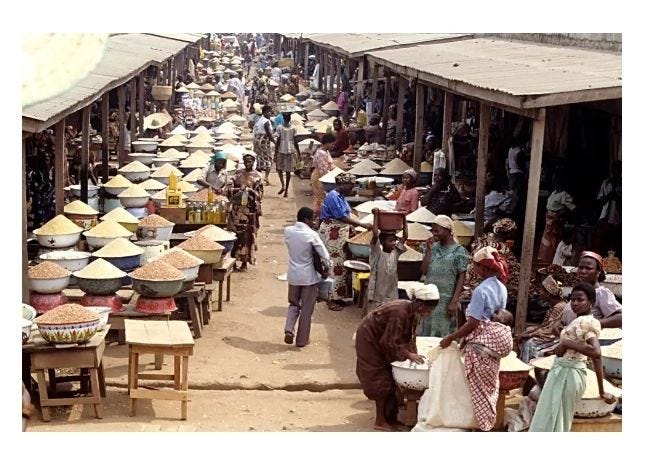
Nigeria is home to approximately 40 million MSME’s, of which almost 90% are in the informal economy but is often out of sight for many, represents an opportunity for growth.
For numerous Nigerians, the informal sector constitutes a significant revenue stream. Over 50% of household income in Nigeria is produced, according to a World Bank research, by the informal sector. The industry’s adaptability and resilience are highlighted by this significant contribution to employment and GDP.
Nigeria’s economic landscape thrives on a vibrant dance between the formal and informal sectors. Today, we’re focusing on the informal side — a bustling marketplace teeming with entrepreneurs and ingenuity. This sector contributes a whopping 58.2% to Nigeria’s GDP, translating to an estimated $1.4 trillion (based on 2023 figures) (World Economics,Trading Economics). That’s right, a massive chunk of the nation’s economic pie is baked in the fires of the informal hustle.
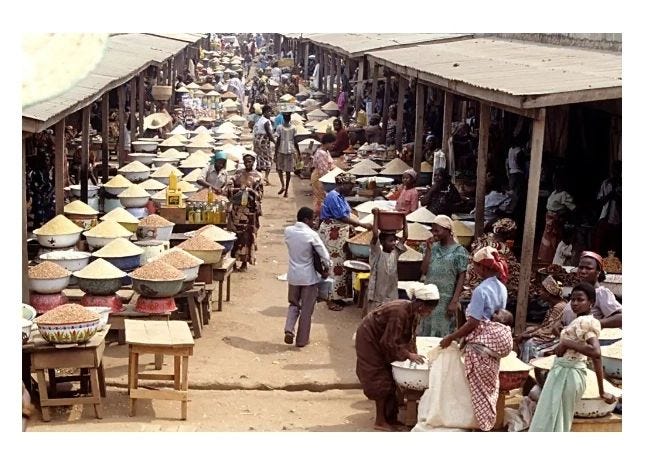
The informal sector is the beating heart of employment for a large portion of Nigerians. Imagine bustling markets, skilled artisans crafting unique wares, and countless service providers keeping communities running. The International Monetary Fund (IMF) estimates that a staggering 65% of the Nigerian workforce finds employment here (National Bureau of Statistics, Nigeria, 2017). This sector is particularly crucial in rural areas, where formal jobs are scarce. Here, millions rely on small-scale farming, street vending, and various services to make a living.
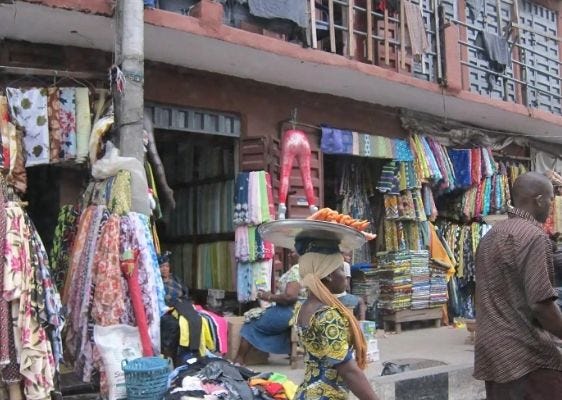
This sector isn’t just about crowded markets. It’s an interesting ecosystem full of activity. From the corner tailor whipping up custom outfits to the mechanic keeping your car on the road, the informal sector caters to a wide range of needs. It’s the mobile phone vendor on the street corner, the hairdresser weaving magic with braids, and the taxi driver navigating chaotic city streets. These are the unseen gears that keep the Nigerian economic engine running smoothly.
Informal workers typically operate outside the formal registration systems. This means they lack official benefits and may struggle to access financing for business growth (BOI). But don’t let the lack of a registration certificate fool you. The informal sector promotes a spirit of entrepreneurship and innovation. Here, individuals with limited resources find creative ways to make a living and contribute to the economy. Informal businesses often cater directly to local needs, offering flexibility and responsiveness that larger, more rigid enterprises might struggle with.
Challenges and the Way Forward
Despite its significant contribution, the informal sector faces major hurdles. Many operate on a cash basis and lack collateral for loans from formal financial institutions. Limited access to credit and financing hinders growth and improvement of working conditions (BOI). The absence of regulation can sometimes lead to safety hazards and unfair labor practices (NLC Nigeria), Informal sector businesses operate largely without regulatory oversight. This can lead to issues such as poor product quality, unfair labor practices, and environmental concerns.
Additionally, the dynamic and unregistered nature of the sector makes it difficult to accurately measure its economic impact.
However, the future holds promise. Governments and organizations especially financial institutions are recognizing the informal sector’s potential and exploring ways to empower it. Providing training programs, access to credit, and improved infrastructure can create a more resilient and thriving informal sector (BOI). Encouraging some level of formalization, where appropriate, can offer benefits like social security without stifling the entrepreneurial spirit. Finally, developing effective methods to collect data on the informal sector can provide valuable insights for policymakers and development efforts.
Empowering the informal sector requires a collaborative effort from government bodies, financial institutions, and the general population. By promoting awareness of the vital role played by informal businesses, we can cultivate a mindset that values and supports the growth of this sector. This awareness, coupled with targeted policies and initiatives, will create an environment in which the informal sector can thrive, contributing even more substantially to Nigeria’s economic prosperity.
Nigeria’s informal sector is a powerful force, demonstrating the country’s entrepreneurial drive and creativity. Through tackling its issues and leveraging its advantages, the nation can pave the way for equitable and long-term economic development.
How much of your income comes from the informal sector (e.g., small business, street vending)?
What is the biggest challenge you face working in the informal sector?
How can the government better support the informal sector?
Do you think some level of formalization would benefit the informal sector?
How can we increase public awareness of the importance of the informal sector?
Share your thoughts today!
Stay connected with us for more updates:
Website || Email || IG ||Linkedln || Twitter || Whatsapp Us