
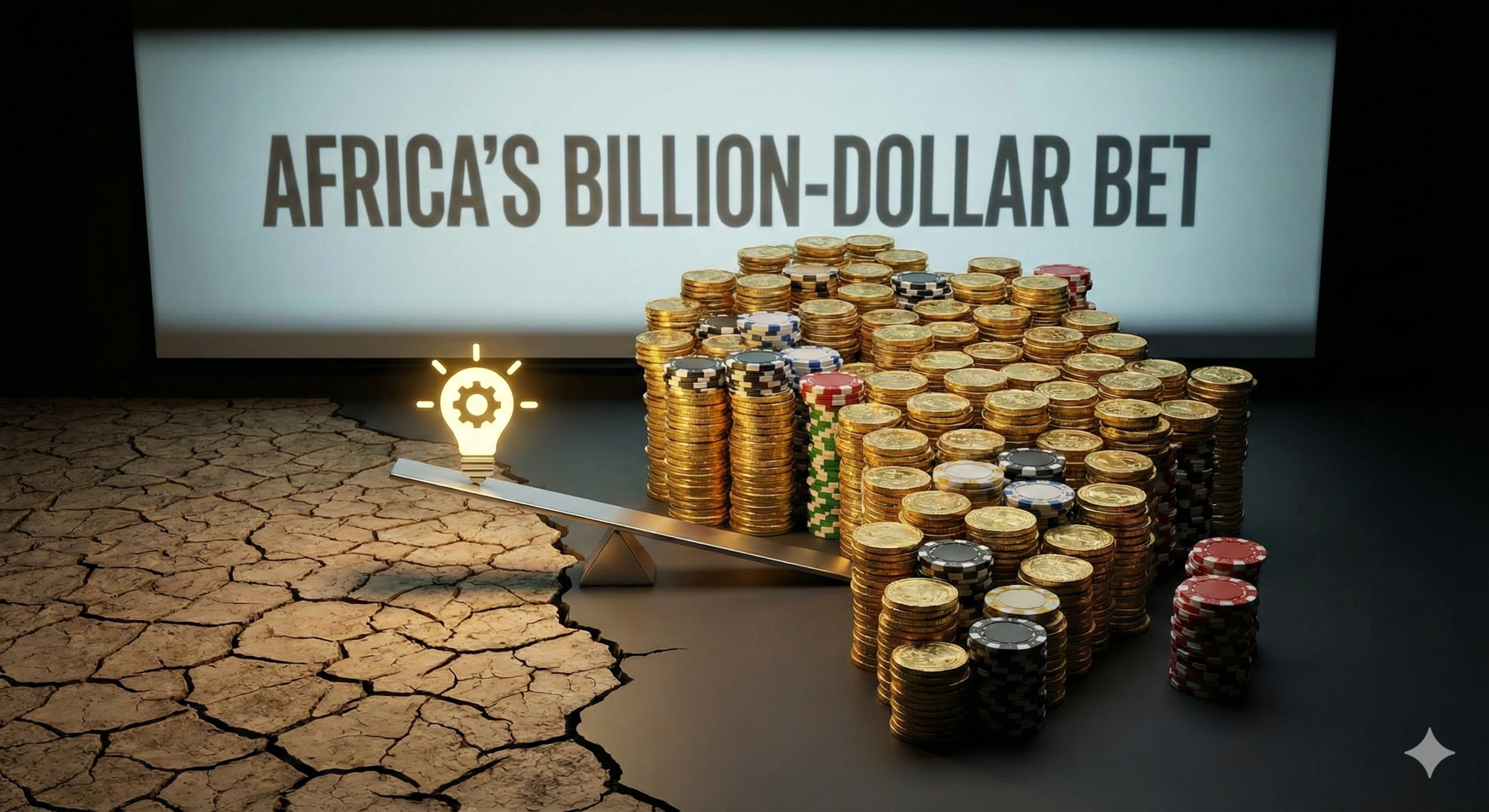
In2024, just 10 startups accounted for a staggering 51% of all start-up funding, raising questions about the concentration of capital in a few hands. While Africa’s start-up scene is frequently lauded for its quick expansion and disruption, an in-depth look at the top fundraisers reveals a troubling pattern: the majority of these businesses solve problems for particular target groups rather than focusing on the continent’s most pressing economic and social issues.

Who Really Benefits from Africa’s Startup Boom?
Despite the fanfare, Africa’s start-up ecosystem remains heavily dependent on foreign capital. This means that while funding levels are increasing, the direction of capital is often dictated by external investor priorities rather than local needs. The biggest winners of 2024’s funding spree include fintech, solar energy, and electric vehicle companies; sectors attractive to international investors, but are they the best drivers of inclusive economic growth?
Fintech is the sector that attracted most of the start-up funding in Africa in 2024 (over $1b).
The second sector on the list in terms of funding in 2024 was Energy — just like in 2023 -, with $440m in total, or 20% of the annual tally. This number was driven to a large extent by two of the year’s ten top raisers who made up nearly two thirds of the amount: d.light ($192m) and Sun King ($87m).
Logistics & Transportation did much better though: not only did it hold its third spot, but it was also the only sector to attract more funding in 2024 ($288m) compared to 2023 ($271m, +6% YoY), therefore seeing its share of the total funding grow from 9% to 13%.
The top 10 fundraisers in 2024 that took in 51% of all start-up funding included:

Where are these big deals happening? Unsurprisingly, most of them are concentrated in Africa’s “Big Four” markets: Nigeria, Kenya, South Africa, and Egypt. In fact, 86% of the ventures that raised $10 million or more in 2024 were headquartered in these countries.
Take fintech companies like Tyme, MNT-Halan, Moniepoint, and Moove. These platforms promise financial inclusion, yet in reality, their services primarily target urban and middle-class consumers who already have some form of banking access. Mobile money penetration in Africa is already high, with 45% of Sub-Saharan Africa’s population using mobile money in 2023; so how much impact are these companies truly having on the unbanked?
Then, there’s the push for electric vehicles (EVs), led by startups like Basigo and Spiro. While EVs are the future of mobility, Africa’s real transportation crisis is not about switching from gas to electricity; it’s about the lack of proper infrastructure, poor road networks, and unaffordable public transport for millions. Is prioritizing EVs over fixing these fundamental issues really the best use of billions in funding?
Is Solar Really the Answer? The Reality Behind d.light, M-KOPA, and Sun King
Three of the top-funded companies — d.light, M-KOPA, and Sun King focus on solar energy for off-grid communities, a model that has been hailed as a game-changer. But while solar products do provide an alternative to unreliable national grids, they are also expensive and dependent on pay-as-you-go financing, meaning that low-income households must commit to ongoing payments just to keep the lights on.
Furthermore, these companies operate on high-margin, investor-friendly models, meaning they’re often more profitable than they are impactful. Rural electrification is still moving at a snail’s pace; only 48% of Sub-Saharan Africa had access to electricity in 2023, and that number is not improving as fast as solar companies claim. Are we being sold a dream while millions remain in energy poverty?
Emerging Sectors:
Renewable energy: Africa’s solar and wind resources are being tapped. Startups are finding new ways to bring energy to off-grid areas.
E-commerce: Online shopping and payment systems are booming. Startups are leading this growth.
Healthcare technology: New tech is making healthcare better. Startups are working on telemedicine and health data.
Predicted Growth Trajectories

Where Should the Money Actually Be Going?
If over 50% of all start-up funding in 2024 was concentrated in just 10 companies, what does that mean for other promising but underfunded sectors?
- Agriculture: Africa’s food insecurity is at crisis levels, yet agri-tech startups are struggling to secure funding. Why aren’t investors pouring billions into food production?
- Manufacturing: Industrialization is key to long-term economic growth, yet African manufacturing startups barely make a dent in fundraising rounds.
- Healthcare: Millions lack access to basic healthcare, yet telemedicine and med-tech receive a fraction of what fintech and solar companies raise.
A Wake-Up Call for African Startups
While the top-funded companies in 2024 represent significant industries, they also demonstrate how uneven the funding market is. Instead of funding companies that cater to the continent’s wealthiest and most urban populations, investors should be looking at the industries that have the power to lift millions out of poverty.
Africa doesn’t need more investor-friendly fintech apps or premium-priced solar kits, it needs funding in agriculture, local manufacturing, and real infrastructure that actually benefits everyday people. Until that happens, the so-called African “startup revolution” will remain a playground for foreign capitalists rather than a true driver of continental development.
Do you agree, or is the funding model justified? Let’s discuss
Stay connected with us for more updates:
Website || Email || IG ||Linkedln || Twitter || Whatsapp Us