
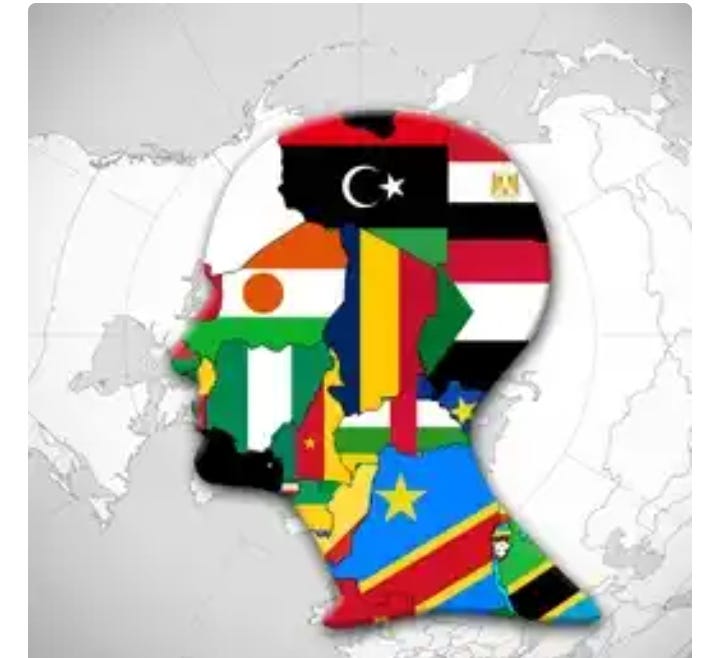
Africa, often stereotyped, is undergoing a dramatic transformation. With its rich natural resources, increasing population,and growing entrepreneurial spirit, the continent is poised to become a global economic powerhouse.
Africa boasts the world’s fastest-growing start-ups ecosystem, with Nigeria and Kenya leading the pack. The continent holds about 30% of the world’s mineral reserves and 12% of global oil reserves. Africa’s working-age population is projected to double by 2050, surpassing that of China and India combined.
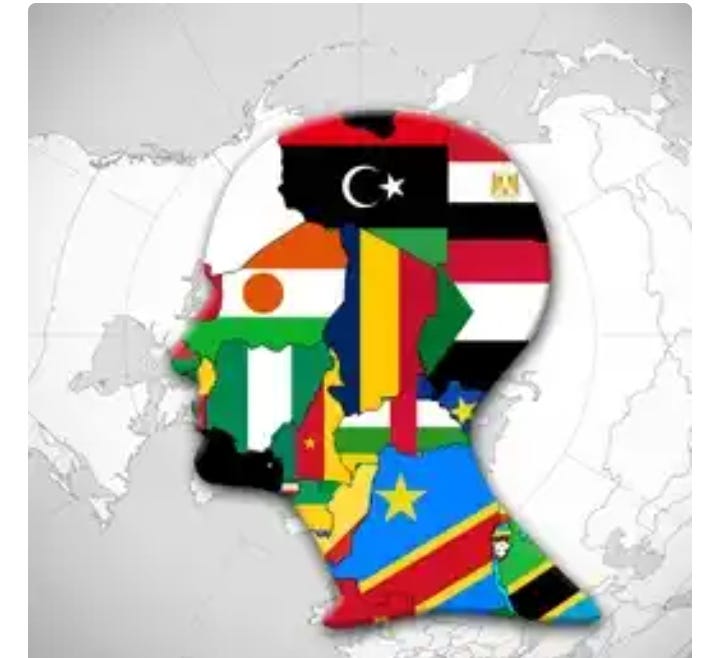
This youthful demographic can fuel economic growth if harnessed effectively through education, job creation, and entrepreneurship. Africa’s abundant natural resources, including minerals, oil, gas, and fertile land, offer immense potential when managed effectively. The continent is experiencing a digital revolution with the rise of fintech, e-commerce, and mobile technology.
Agriculture, with vast arable land and a growing population, is a key driver for economic growth and food security. Modern farming techniques, infrastructure investments, and value addition can unlock this sector’s full potential. Addressing Africa’s infrastructure deficit is crucial for economic growth, requiring investments in transportation, energy,and digital infrastructure.
A new generation of African entrepreneurs is driving innovation and economic growth. Startups and small businesses are thriving, creating jobs and technological advancements. While challenges like poverty, inequality, corruption, and conflict persist, they also present opportunities for innovative solutions and partnerships.
The African Continental Free Trade Area (AfCFTA) is a prime example of how digital trade collaboration can help create a regional value chain. By using digital platforms to facilitate trade across African countries, AfCFTA aims to reduce trade barriers and increase intra-African trade. This initiative enables countries to specialize in the production of goods and services where they have a comparative advantage, thus enhancing regional value chains and boosting economic growth across the continent. Covering 54 of the 55 African Union nations, AfCFTA has the potential to significantly reshape the economic landscape of Africa.
Digital platforms are instrumental in transforming trade, integrating supply chains, and fostering innovation. Platforms like Jumia have emerged as catalysts for economic growth. Founded in 2012, Jumia operates across multiple African countries, offering a vast array of products. By connecting small and medium-sized enterprises (SMEs) with a massive customer base, Jumia has created numerous employment opportunities and boosted economic activity. A fashion designer in Nigeria, for instance, can effortlessly sell products to customers in Kenya, Ghana, South Africa, and beyond, leveraging Jumia’s logistics and payment solutions for seamless cross-border transactions.
During the COVID-19 pandemic, Jumia’s role in providing essential goods was paramount, demonstrating its resilience and importance in the regional value chain. Its listing on the New York Stock Exchange in 2019 solidified its position as a leading player in Africa’s digital economy.
Jumia exemplifies how digital trade collaboration can create a robust regional value chain by connecting sellers and buyers across Africa. By overcoming logistical and financial barriers through technology, Jumia has transformed e-commerce on the continent. Jumia has transformed e-commerce in Africa. To fully maximize Africa’s potential, additional investment in infrastructure, technology, and coordinated policies is necessary.
Comparing Key Sectors and Challenges in Nigeria, Rwanda, and Ghana
BGR operates in Nigeria, Rwanda, and Ghana. Each country offers unique opportunities and challenges.
Nigeria
Nigeria, Africa’s greatest economy presents a complicated mix of potential and problems. Despite its tremendous potential, the country faces various challenges.
- Agriculture: While Nigeria is a major producer of cocoa, cassava, and palm oil, the sector is characterized by low productivity, overreliance on subsistence farming, and post-harvest losses. To unlock its full potential, investments in agricultural extension services, mechanization, and value addition are important.
- Telecommunications: The rapid growth of the telecommunications sector has been a boon for Nigeria. However, challenges such as infrastructure gaps, especially in rural areas, and cybersecurity threats persist. Utilizing the sector to promote financial inclusion and e-government services remains a priority.
- Technology: Nigeria’s burgeoning tech ecosystem is promising, with startups making significant impact in fintech and other sectors. However, brain drain, inadequate funding, and infrastructural challenges hinder its full potential. Creating a supportive environment for tech startups, including access to funding and mentorship, is essential.
- Entertainment: Nollywood, the film industry, has become a significant contributor to the economy. However, difficulties such as piracy, infrastructure gaps, and little investment in manufacturing quality persist. Creating a strong film industry environment will unleash its full potential.
Rwanda
Rwanda’s remarkable transformation demonstrates its tenacity and focus on development.
- Tourism: While tourism is a major foreign exchange earner, Rwanda must balance conservation efforts with community benefits. Diversifying tourism offerings beyond gorillas and expanding the tourism season can increase revenue.
- Agriculture: The government’s emphasis on high-value crops is commendable. However, challenges such as climate change, land fragmentation, and market access persist. Investing in agricultural research, extension services,and infrastructure is important for sustained growth.
- Technology: Rwanda’s e-government initiatives are commendable. To solely benefit from technology, it’s necessary to increase internet penetration and digital literacy levels. Attracting tech investments and developing local talent will be critical to creating a strong technology economy.
Ghana
Ghana’s stable political environment provides a conducive business climate. However, challenges persist.
- Agriculture: While cocoa, gold, and timber are major exports, Ghana can enhance its agricultural value chain through processing and export of higher-value products. Diversification into other crops like cashew and mango can also be explored.
- Mining: The mining sector contributes significantly to Ghana’s economy. To maximize benefits, the country should prioritize sustainable mining techniques and value-added investments.
- Energy: Addressing power interruptions is integral to Ghana’s economic development. Investing in renewable energy and strengthening electricity distribution infrastructure is vital.
Bridging the Gap: The Way Forward
Africa stands at a crossroads. With huge potential locked within its borders, the continent is positioned for greatness.
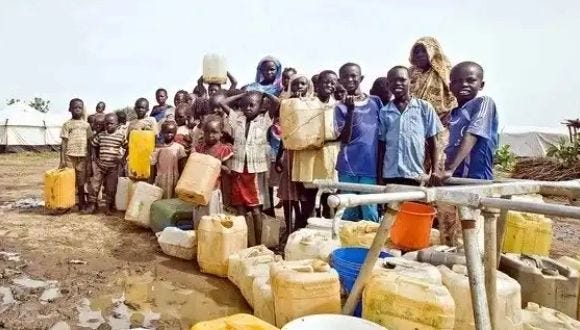
Yet, to transform this potential into reality, a concerted effort is needed to overcome significant hurdles.
People are Africa’s most valuable asset. Investing in education, from the classroom to vocational training, is important. A healthy population is a productive one, so improving healthcare access is equally important.
Innovation is the driving force behind advancement. To power this progress, Africa needs better internet connectivity, especially in rural areas. Supporting startups and encouraging research will cultivate a culture of problem-solving.
Sustainable development is key; agriculture must be modernized to feed a growing population and boost the economy. Renewable energy can power Africa’s future while protecting its environment. Wisely managing natural resources is essential for long-term prosperity.
Strong institutions and good governance are the bedrock of any successful nation. Corruption must be stamped out, and infrastructure developed to connect people and markets. Peace is the foundation for progress, and Africa must invest in conflict resolution.
Collaboration is essential. African countries must work together to share knowledge and resources. Attracting foreign investment while protecting local interests is vital. Partnerships between governments and businesses can accelerate development.
Africa’s journey to prosperity will be challenging, but the rewards are extremely high. By investing in its people, supporting innovation, prioritizing sustainability, and building strong institutions, Africa can overcome obstacles and achieve its full potential.
Are you interested in exploring a specific country, sector, or challenge in more detail?
Would you like to discuss potential investment opportunities or explore how your organization can contribute to Africa’s growth?
Stay connected with us for more updates: