

Africa is home to a massive pool of athletic talent, but this talent is often underutilized due to gaps in the business and career infrastructure that support the sports ecosystem. While African athletes excel globally, the business structures that surround sports — coaching, management, marketing, broadcasting, and investment are underdeveloped compared to other continents.

For Africa to truly thrive in the global sports industry, it’s important to address these gaps not just on the field, but also in the offices, boardrooms, and behind the scenes where critical decisions are made. This post expands on how the talent gap in the business of sports is affecting the African sports industry, the career opportunities it presents, and the necessary steps to create a thriving sports business ecosystem.
1. The Sports Industry: A Global Economic Giant
Sports, which were originally limited to stadiums and arenas as entertainment, have grown into a major economic force that generates multiple prospects for raising national income, spurring investments, and extending labor markets and employment.
The global sports industry is enormous, estimated to be worth around $620 billion in 2022, according to Deloitte. This includes not just player wages and club revenue, but also merchandising, sponsorships, media rights, marketing, and more. Yet, Africa’s share of this economic pie remains relatively small. Despite the continent’s abundant athletic talent, the lack of robust business frameworks and career opportunities in the sports industry holds back significant growth.
The sports economy must be seen as an effective tool for achieving development goals and enhancing values and social participation, with which it is possible to form the mental image of countries and their cultures, consolidate concepts, and communicate with an international public base that may not be possible through other means. Here, it can be used as a means to establish the language of peace, tolerance and cultural understanding, and as a platform for cooperation and convergence between peoples. Africa countries have an opportunity to harness the economic and social power of the sports industry, not only as a source of commercial revenues, but also as a means of inspiration, competitiveness and soft power.
The Business Side of Sports
Sports businesses worldwide are multifaceted entities. They require talent not only in terms of players but also coaches, managers, marketers, administrators, agents, and even legal professionals specializing in sports law. Each of these components needs to be developed in parallel with athletic talent for any sports ecosystem to thrive.
For instance:
- Sponsorships bring in billions for European football leagues, with deals like the Premier League’s association with Nike, Emirates, and Barclays. African leagues, however, often struggle to attract such lucrative deals.
- Broadcasting Rights are another massive revenue source for global leagues. In 2022, the Premier Leaguegenerated approximately $12 billion from media deals, while most African leagues rely on significantly smaller, sometimes local, contracts.
- Sports Marketing and Merchandising also represent huge untapped markets in Africa, where branding and commercialization efforts are often limited due to poor business infrastructure and insufficient professional marketing expertise.
To close the talent gap in the business side of sports, Africa must focus on creating career paths in sports management, marketing, law, media, and technology.
The business of sports opens up a wide range of career opportunities beyond playing and coaching. Understanding these potential career paths is key to bridging the talent gap in Africa’s sports sector.
Sports management is a vital component of the sports business ecosystem, involving everything from organizing leagues and tournaments to managing clubs and handling athlete contracts. In Africa, the lack of formal training programs for sports management has been a bottleneck. Universities across Europe and North America offer degrees in sports management, but similar programs are lacking in many African countries.
2. Sports Careers Beyond the Field: Exploring Opportunities Beyond the Playing Field

While many aspire to become professional athletes, the reality is that only a small percentage will achieve that goal. However, the world of sports offers a wide range of career opportunities beyond the playing field. From management to marketing, there are countless avenues for sports enthusiasts to pursue fulfilling careers.
Here are some popular career paths in the sports industry:
- Sports Management: Sports managers oversee the operations of sports teams, leagues, and organizations. They are responsible for various aspects of the business, including finance, marketing, and human resources.
- Sports Marketing and Sponsorship: Sports marketing professionals develop and implement strategies to promote sports events, teams, and athletes. They work with sponsors to secure funding and increase brand visibility.
- Sports Journalism and Media: Sports journalists and broadcasters cover sporting events, write articles, and provide commentary. They can work for newspapers, magazines, television, or online platforms.
- Sports Law: Sports lawyers specialize in legal issues related to the sports industry, such as contract negotiations, dispute resolution, and intellectual property law.
- Sports Medicine and Science: Sports medicine professionals provide medical care and rehabilitation services to athletes. They work in areas such as sports medicine, physical therapy, and sports psychology.
- Sports Technology: Sports technology professionals develop and implement innovative technologies to enhance the sports experience, such as wearable devices, analytics tools, and virtual reality applications.
- Sports Event Management: Sports event managers plan and organize sporting events, from small-scale local tournaments to major international competitions.
Pursuing a Career in Sports
To pursue a career in the sports industry, it is essential to have a strong passion for sports and a solid understanding of the business side of things. Here are some tips for getting started:
- Gain experience: Volunteer at sporting events, work for sports organizations, or participate in sports-related internships to gain practical experience.
- Network with professionals: Build relationships with people in the sports industry to learn about career opportunities and gain mentorship.
- Develop relevant skills: Acquire skills such as marketing, public relations, finance, and event management that are valuable in the sports industry.
- Stay up-to-date: Keep up with the latest trends and developments in the sports industry.
- Be persistent: The sports industry can be competitive, so it’s important to be persistent and resilient in your pursuit of a career.
Sports Marketing and Sponsorship
Marketing and sponsorship are integral parts of the sports business, driving brand recognition and revenue. Sports marketers create strategies for advertising, fan engagement, and brand partnerships. For example, MTN, a major telecommunications company in Africa, has been a consistent sponsor of African football tournaments. But to scale up, the continent needs more skilled professionals who understand how to attract sponsors and commercialize sports effectively.
The sports industry in Africa has witnessed a significant transformation in recent years, fueled by the continent’s growing population, increasing urbanization, and the passion for sports among its people. As the continent’s economy continues to grow and the popularity of sports increases, there is a growing demand for effective sports marketing strategies.
Key Trends in Sports Marketing in Africa
- Digital Marketing: The rise of digital platforms has created new opportunities for sports marketing in Africa.According to a report by McKinsey & Company, digital sports consumption in Africa is expected to reach $2 billion by 2025, driven by the increasing penetration of smartphones and internet connectivity.
- Influencer Marketing: Athletes and sports personalities have become influential figures in Africa, and their endorsements can be a powerful marketing tool. A study by Influencer Marketing Hub found that 89% of marketers believe that influencer marketing is effective for brand awareness and reach.
- Experiential Marketing: Creating unique and memorable experiences for fans is becoming a key trend in sports marketing. This can include fan events, meet-and-greets, and VIP experiences.
- Social Responsibility: Sports organizations are increasingly focusing on social responsibility initiatives, such as community outreach programs and environmental sustainability. A survey by Nielsen found that 83% of consumers are more likely to buy from a brand that supports a cause they care about.
The Role of Sponsorship in Sports
Sponsorship plays an important role in the sports industry, providing financial support to teams, leagues, and events. In Africa,sponsorship deals have become increasingly lucrative, as brands recognize the value of associating with popular sports teams and events.
Types of Sponsorship in Sports
- Title Sponsorship: The most prominent form of sponsorship, where a company’s name is associated with the title of a sports event or league.
- Official Sponsorship: A company is officially recognized as a sponsor of a sports event or team.
- Product Sponsorship: A company sponsors a specific product or service within a sports event or league.
- Hospitality Sponsorship: A company provides hospitality services or experiences to VIP guests at sports events.
Benefits of Sponsorship in Sports
- Increased brand awareness: Sponsorship can help to increase brand visibility and recognition among sports fans.
- Enhanced brand image: Associating with popular sports teams and events can enhance a brand’s reputation and credibility.
- Customer engagement: Sponsorship can provide opportunities for brands to engage with their customers and build loyalty.
- Return on investment (ROI): Sponsorship can offer a good return on investment, especially when the sponsorship is aligned with the brand’s target audience and objectives.
Challenges and Opportunities in Sports Marketing and Sponsorship
Despite the growth of sports marketing and sponsorship in Africa, there are still several challenges to be addressed. These include:
- Measurement and Evaluation: It can be difficult to accurately measure the effectiveness of sports marketing and sponsorship campaigns.
- Fragmentation of Media: The proliferation of media channels can make it challenging to reach the target audience.
- Competition from Other Industries: Sports brands face competition from other industries for the attention of consumers.
However, the challenges also present opportunities for innovative and effective sports marketing strategies. By understanding the target audience, leveraging digital platforms, and focusing on creating unique experiences, sports organizations can successfully navigate the challenges of sports marketing and sponsorship in Africa.
3. The Rise of Player and Talent Agents in Africa
Another growing career field in Africa is player representation. Sports agents are responsible for negotiating contracts, endorsement deals, and transfers for athletes. Europe and the U.S. have well-established agent systems with multi-billion-dollar deals, but Africa is still developing in this area. Professional training and regulatory frameworks for sports agents can help ensure that African athletes receive fair representation and career advice.
The role of player and talent agents has become increasingly significant in the African sports industry. As the continent’s sports scene continues to evolve, there is a growing demand for skilled professionals who can represent athletes and negotiate favorable deals.
Sports agents are responsible for a wide range of tasks, including contract negotiation, endorsement deals, transfer negotiations, career guidance, financial management, and public relations. They play a critical role in helping athletes maximize their earning potential and achieve their career goals.
However, the sports agent industry in Africa faces several challenges, such as a lack of regulation, limited knowledge and experience among agents, and competition from international agencies. To overcome these hurdles, aspiring sports agents might seek professional training and supervision.
By acquiring the necessary skills and knowledge, sports agents can contribute to the growth and development of the African sports industry and help athletes achieve their full potential.
The Rise of Digital Media and Social Platforms

Social media platforms are becoming increasingly important in sports broadcasting and media. They provide fans with real-time updates, highlights, and interactions with athletes and teams. Platforms like Twitter, Instagram, and TikTok have created new opportunities for fan engagement and digital marketing, particularly for African sports organizations looking to grow their audience.
African sports teams and leagues are leveraging social media to engage with fans directly, creating vibrant online communities. For example, football clubs in Nigeria, South Africa, and Egypt have used platforms like Twitter to build loyal fan bases and increase visibility through viral content.
Brands are using social media to target African sports fans, creating sponsorship opportunities and ad revenues for sports organizations. Social media marketing is also becoming a critical part of the revenue model for African sports leagues and athletes, who often use their platforms to promote products and partnerships.
The increasing adoption of smartphones and improved mobile internet access have made mobile streaming an essential part of Africa’s sports media landscape. Mobile platforms, such as the DStv Now app (by SuperSport) and StarTimes ON, allow fans to watch live sports on the go. This has opened up new ways for African fans to engage with sports content without needing access to traditional television.
4. Broadcasting and Media
With the rise of sports broadcasting networks like SuperSport and Kwese Sports, Africa is starting to realize the potential of media rights. However, more professionals are needed in broadcasting, digital marketing, and content creation to build a solid media ecosystem around sports in Africa. Careers in sports journalism, commentary, and production can become vital components of a growing industry.
Broadcasting plays an essential role in the sports industry by making live events accessible to fans worldwide. Historically, many African sports were limited to local communities, with little exposure beyond the continent.
Interestingly, the rise of television networks, streaming platforms, and social media has substantially enhanced African sports’ global awareness, allowing supporters to watch games in real time from any location.
Key Impacts of Broadcasting on African Sports:
- Global Exposure: Broadcasting has brought African sports, particularly football, athletics, and basketball, to a global audience. For example, African players and teams now feature prominently in international sports coverage, increasing their visibility and market value.
- Revenue Generation: The sale of media rights is a major revenue source for sports leagues and federations. In countries like South Africa, Kenya, and Nigeria, broadcasting deals have become critical to the financial stability of leagues and clubs. For instance, South Africa’s Premier Soccer League (PSL) generates millions in revenue from broadcasting rights.
- Sponsorship and Advertising: The widespread distribution of live sports events across television and digital platforms has attracted sponsors looking to capitalize on the growing fan base. Major African football tournaments, such as the Africa Cup of Nations (AFCON), have drawn significant sponsorship and advertising revenue through global broadcasting partnerships.
Major Broadcasters Shaping Africa’s Sports Media Landscape
Several broadcasters are playing pivotal roles in driving the sports media landscape in Africa. These companies are not only investing in broadcasting rights but also developing innovative platforms that cater to the continent’s growing sports audiences.
SuperSport
SuperSport is the dominant player in sports broadcasting across sub-Saharan Africa. The company, a subsidiary of the South African pay-TV service MultiChoice, holds exclusive broadcasting rights to major African football leagues, the English Premier League (EPL), and other popular international sports.
- Reach: SuperSport broadcasts to millions of households across Africa, offering extensive coverage of local and international sports. Its investment in local leagues and tournaments has helped grow African sports by providing a consistent platform for events like the CAF Champions League and various national leagues.
- Impact on Local Sports: By acquiring media rights to local leagues and grassroots competitions, SuperSport has helped to commercialize African sports, increasing viewership and advertising revenue. Its coverage of domestic leagues such as the South African PSL and the Nigeria Professional Football League (NPFL) has transformed these leagues into viable business enterprises.
StarTimes
StarTimes is a Chinese-owned digital TV provider with a significant presence across Africa. StarTimes has focused on making sports content more affordable and accessible, especially to lower-income households in rural areas.
- Access to Local Sports: StarTimes has become known for broadcasting domestic leagues across various African countries. The company also offers coverage of international sports, such as the Bundesliga and the UEFA Europa League, giving African fans access to a variety of global sports.
- Partnerships with African Leagues: StarTimes has developed partnerships with local football federations to provide broader coverage of domestic competitions. These deals have increased the reach of African sports and expanded StarTimes’ footprint on the continent.
Kwesé Sports
Although Kwesé Sports ceased operations in 2019, it played a significant role in shaping sports broadcasting in Africa during its time. Kwesé was known for its innovative approach to sports media, particularly through mobile platforms, which allowed fans to access sports content online.
- Digital Innovation: Kwesé’s focus on mobile and internet-based broadcasting set the stage for the growth of sports streaming in Africa. While the platform no longer operates, its influence can still be seen in the increasing popularity of online sports consumption.
Digital and Streaming Platforms
The rise of digital platforms and streaming services has been a game-changer in Africa’s sports broadcasting landscape. Companies like YouTube and Facebook have entered into partnerships with African sports leagues and events, offering live streams and highlights to millions of viewers.
- YouTube and African Sports: YouTube has partnered with sports organizations such as the Basketball Africa League (BAL) to broadcast live games, making African sports accessible to a global audience. The platform’s reach has allowed leagues and tournaments to grow their fan base beyond the continent.
- Facebook Streaming: In recent years, Facebook has also ventured into African sports broadcasting, offering live streams of popular local competitions. In 2020, the NBA Africa Games were streamed live on Facebook, marking a significant moment for the expansion of digital sports content in Africa.
Challenges and Opportunities in Africa’s Sports Broadcasting
Despite the positive trends, Africa’s sports broadcasting sector faces several challenges. These include limited access to reliable infrastructure, high production costs, and affordability for viewers in rural areas.
Challenges:
- Infrastructure: A lack of reliable internet and power infrastructure in some regions hampers the reach of digital sports content, especially in rural areas.
- Affordability: Subscription-based sports broadcasting services may be out of reach for lower-income households, limiting access to high-quality sports content.
Opportunities:
- Expanding Digital Platforms: As internet access improves across the continent, there is tremendous potential for expanding digital sports platforms and mobile streaming services.
- Local Content Creation: Developing more local sports content, including leagues and tournaments, can provide fresh programming for broadcasters and help build the sports industry.
The Future of Broadcasting and Media in African Sports
Broadcasting and media will continue to play a pivotal role in Africa’s sports development. The shift toward digital platforms and mobile streaming is expected to grow, making sports more accessible to a wider audience. Additionally, the increase in local content creation and partnerships with international broadcasters will provide African sports leagues with greater exposure and more revenue opportunities.
As more African countries invest in sports infrastructure and digital technologies, broadcasting and media will be key to elevating the continent’s sports industry to the next level.
Broadcasting and media are rapidly evolving forces in African sports. With major players like SuperSport, StarTimes, and emerging digital platforms leading the charge, African sports are reaching a broader audience and generating much-needed revenue. As the industry continues to grow, the opportunities for athletes, teams, broadcasters, and businesses in the African sports ecosystem will only increase.
Sports law and finance are emerging fields in the global sports industry, particularly as contracts become more complex and the need for financial management grows. Africa’s sports ecosystem requires legal experts to handle everything from intellectual property rights to labor laws and player contracts. Similarly, financial professionals who specialize in sports finance are critical for ensuring that sports clubs and organizations manage their resources effectively.
Technology is transforming sports worldwide, and Africa is no exception. Startups focusing on sports tech — such as performance analysis, wearable tech, and fan engagement are entering the African market. Careers in sports data analytics are especially promising as clubs and leagues increasingly adopt technology to improve athlete performance and fan interaction. Africa needs more technologists and data analysts who can work with local leagues to develop the digital side of sports.
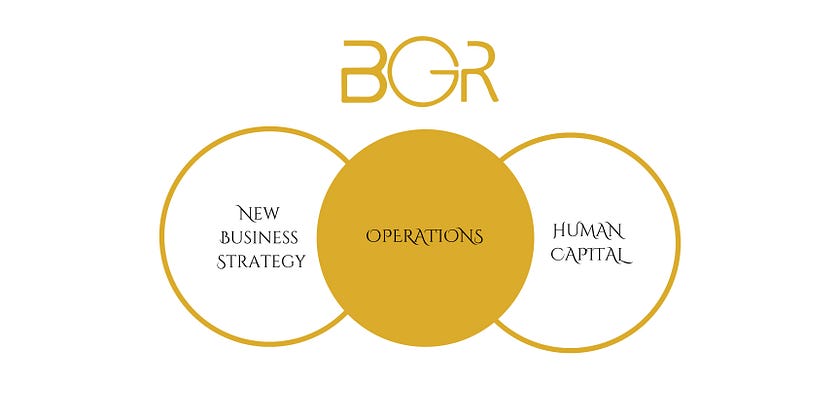
Utilizing BGR Consulting’s expertise in both human capital and business strategy, SWA Sports, in collaboration with BGR, has embarked on a course to bridge the talent gap in the business of sports in Africa and contribute to the development of the sports sector across the continent. BGR is set to provide customized solutions tailored to the unique needs of sports organizations in Africa. Our services encompass:
- Talent Development: We help identify, recruit, and develop top talent within the sports industry, ensuring that African teams and leagues have the necessary skills to succeed.
- Business Strategy: Our consultants work with sports organizations to develop sustainable business models,optimize operations, and navigate the complexities of the sports market.
- Human Capital Management: We provide guidance on human resources management, including talent acquisition, performance management, and employee development.
- Sports Governance: We help sports organizations establish effective governance structures and adhere to industry best practices.
- Sports Marketing and Sponsorship: Our experts assist in developing effective marketing campaigns, attracting sponsorships, and building strong brand identities.
By partnering with BGR, African sports organizations can:
- Enhance their competitiveness: Access the best talent and develop the skills needed to excel in the global sports market.
- Improve financial performance: Implement sustainable business strategies and optimize operations for maximum efficiency.
- Build strong brands: Develop effective marketing campaigns and attract sponsorships to increase visibility and revenue.
- Support a positive sports culture: Create a supportive and inclusive environment for athletes and staff.
Join us in shaping the future of African sports. Contact BGR today to learn more about how we can help you bridge the talent gap and drive the growth of the sports industry in Africa.
Stay connected with us for more updates:
Website || Email || IG ||Linkedln || Twitter || Whatsapp Us
1