
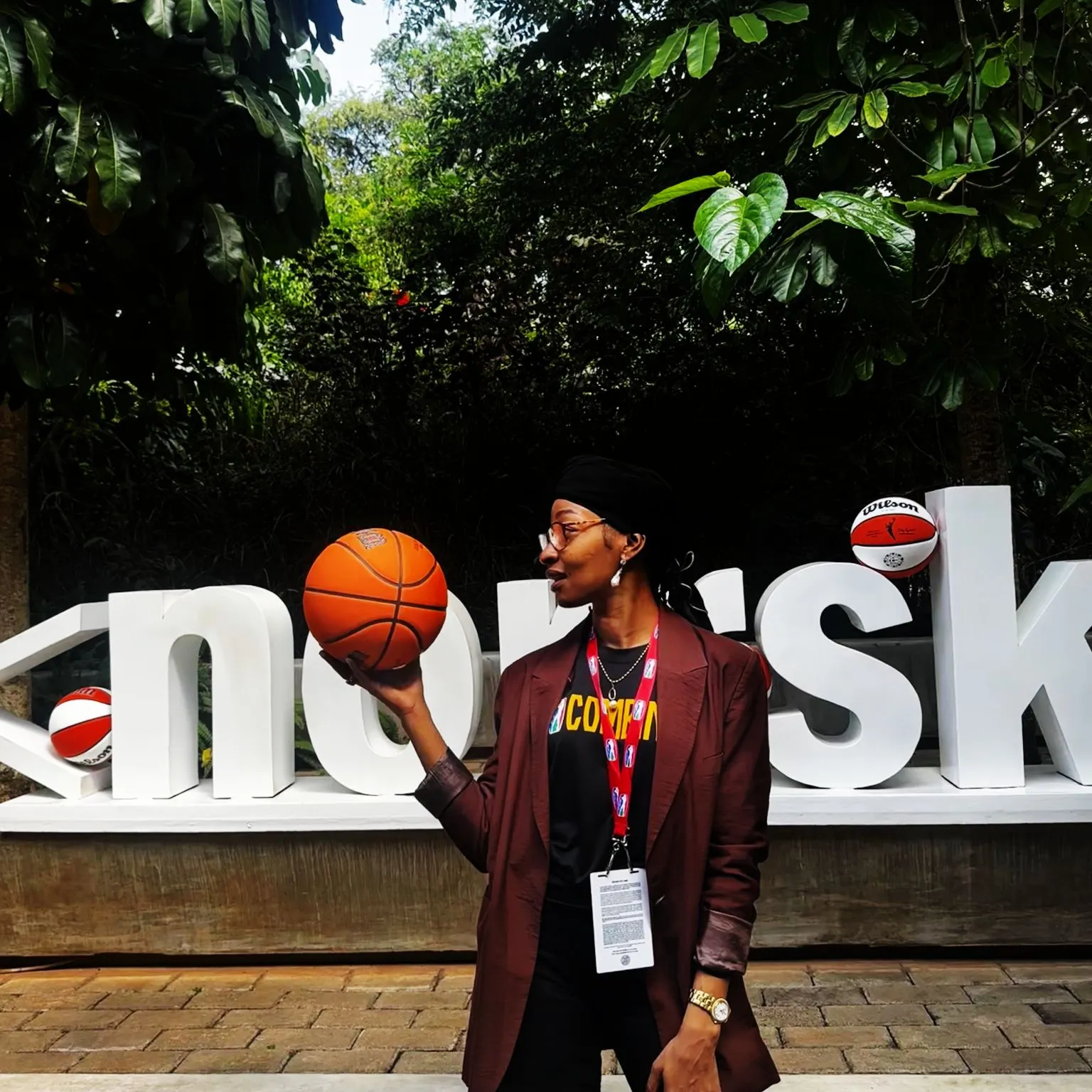
The African sports industry is a growing powerhouse, not only for athletes but also for a range of non-playing careers that contribute to the success of the sector. With the rise of global sports events like the African Cup of Nations (AFCON), the influence of African athletes in leagues worldwide, and increasing investments in sports infrastructure, the sports ecosystem has expanded to include diverse career opportunities beyond the playing field.

The world of sports isn’t just about athletes on the field. Behind every championship team, star player, and thrilling match, there’s a vast network of professionals working tirelessly in a variety of non-playing roles. These careers offer exciting opportunities for individuals who are passionate about sports but may not have the athletic prowess to compete at a professional level.
This article explores into various non-playing roles, including prospective career routes, average earnings, and future growth prospects for the sector in Africa. It is also worth noting that salaries in non-playing careers can vary significantly based on factors such as experience, location, the size and success of the organization, and the specific role. Additionally, salaries can fluctuate over time due to economic conditions and changes in the sports industry.
What are Non-Playing Careers in sports?
Non-playing careers in sports refer to a wide range of professions that support and enhance the athletic ecosystem but do not involve direct participation as an athlete. These careers contribute to the management, organization, promotion, and operation of sports and offer diverse opportunities for individuals passionate about sports but not necessarily skilled in athletic performance. Let’s explore some of the key non-playing careers in sports:
1. Sports Management and Administration
Sports management is the business side of sports, focusing on planning, organizing, and running sports events and organizations. It’s essential for ensuring smooth operations, athlete support, and efficient management. As the sports industry grows, the demand for skilled sports managers increases. Understanding sports management can lead to a fulfilling career that blends passion for sports with business knowledge.
- Average Salary in Africa: Salaries vary based on country, experience, and the scale of the organization. Entry-level positions in sports management typically offer between $10,000 and $20,000 annually. Senior managers or directors in established leagues or sports organizations can earn upwards of $50,000 per year, particularly in South Africa, Nigeria, and Egypt, where the sports industry is more developed.
- Growth Outlook: The rise of African sports leagues, such as the South African Premier Soccer League (PSL) and the Nigerian Professional Football League (NPFL), is driving demand for sports management professionals. In the next decade, the need for qualified managers in sports organizations, especially in developing markets like Kenya and Ghana, is expected to grow by more than 20%.
2. Sports Marketing and Sponsorship
Sports marketing professionals focus on promoting teams, athletes, events, and sports brands. They are responsible for securing sponsorships, enhancing fan engagement, and ensuring brand visibility across various platforms. African sports are attracting global brands, creating a need for savvy marketers.
- Average Salary in Africa: Sports marketers in Africa can expect to earn between $15,000 and $40,000 per year. Marketing directors or those working with large international brands like Puma, Adidas, or Nike might see salaries reach $70,000 annually, especially in sports hubs like South Africa and Egypt.
- Industry Trend: The growing prominence of African athletes globally has led to an increase in brand endorsements and sponsorship deals. In 2023 alone, African sports sponsorship was estimated at over $1.6 billion, with companies investing heavily in both football and athletics. This creates a thriving market for professionals skilled in marketing and sponsorship negotiations.
3. Sports Journalism and Broadcasting
Sports journalism is a vibrant field in Africa, with a growing number of platforms covering domestic and international sports. Careers in this space include sports journalists, commentators, analysts, and producers for both traditional and digital media outlets.
- Average Salary in Africa: Sports journalists can earn between $5,000 and $15,000 annually, depending on experience and the media outlet. Top sports commentators or analysts working for major broadcasters like SuperSport in South Africa or Canal+ in West Africa can command salaries upwards of $30,000 per year.
- Sector Expansion: The digitalization of media is significantly impacting sports journalism in Africa. Platforms such as YouTube, podcasts, and social media are enabling new revenue streams and opportunities for independent journalists and sports analysts. This shift is expected to drive up demand for multimedia skills and create more high-paying jobs in sports media.
4. Sports Medicine and Physiotherapy
Sports medicine professionals, including physiotherapists and team doctors, are essential in ensuring the well-being and physical performance of athletes. With the increasing intensity of competitive sports, the demand for qualified sports medical personnel is at an all-time high.
- Average Salary in Africa: Entry-level physiotherapists can expect to earn between $8,000 and $15,000 annually, with experienced professionals working for elite teams or athletes earning $30,000 to $60,000 per year. In South Africa, sports physicians can command even higher salaries, reaching $100,000 per year, depending on the sport and team.
- Demand and Growth: As African athletes gain international recognition, there is growing emphasis on sports science and medicine. Countries like Kenya, renowned for their dominance in athletics, are increasingly investing in this area, pushing demand for specialized professionals in physiotherapy and sports medicine.
5. Athletic trainers
Athletic trainers diagnose, treat, and help prevent sports-related injuries, which may occur during training sessions, practices, games, and other physical events and activities. They’re usually the first medical professionals to render aid when a sports injury occurs.
As licensed health professionals, athletic trainers have extensive knowledge of sports medicine. Typical responsibilities include attending sports games and practices, educating athletes on injuries and injury prevention, facilitating rehabilitation, conducting emergency care and on-field injury assessments, and administering medication.
- Average Salary in Africa: The average salary for athletic trainers in Africa varies depending on the country and specific circumstances. In South Africa, athletic trainers typically earn around $14,000 USD Per year. In countries like Nigeria and Kenya, salaries for athletic trainers are generally lower due to a less developed sports infrastructure. Reports suggest that entry-level athletic trainers may earn between $5,000 to $10,000 annually, while experienced trainers in better-funded organizations might earn slightly more. However, this range can fluctuate significantly across other African countries due to differing economic conditions, the demand for sports professionals, and the development of the sports industry.
- Growing Awareness: As more sports leagues and events are established, the need for skilled athletic trainers is rising. Organizations are becoming aware of the importance of injury prevention and management, leading to a higher demand for certified trainers. There’s a growing recognition of the value of sports medicine in Africa. This trend is expected to lead to more resources allocated toward athletic training, enhancing the overall infrastructure supporting sports health.
6. Sports Data Analysis
Data analysts in sports collect and interpret data on player performance, team strategies, and game outcomes. As African teams adopt more advanced technologies and statistical tools to improve performance, data analysis is becoming a crucial part of the sports ecosystem.
- Average Salary in Africa: Salaries for sports data analysts range from $20,000 to $40,000 annually, with opportunities to earn more when working for international leagues or teams. For example, data analysts working with European football clubs or international competitions that involve African teams can earn up to $70,000 per year.
- Emerging Opportunity: The use of sports data analytics is relatively new in Africa, but its application is growing rapidly. The success of international clubs like Manchester City and Barcelona, both of which rely heavily on data-driven strategies, has inspired African clubs to invest in sports analytics, particularly in football and rugby.
7. Sports Development and Coaching
Coaching is one of the most traditional non-playing careers in sports. However, sports development focused on youth programs, grassroots initiatives, and talent identification is becoming increasingly important in Africa as nations seek to improve their international competitiveness.
- Average Salary in Africa: Entry-level coaches can earn between $7,000 and $20,000 annually, while high-level coaches working with national teams or prominent clubs can earn anywhere from $40,000 to $100,000, depending on the sport and country. For example, football coaches in South Africa or Egypt can earn significantly more due to the popularity of the sport.
- Future of Coaching: The African sports development landscape is growing, particularly in football and athletics. Initiatives like the Confederation of African Football (CAF) coaching certification programs are helping to professionalize coaching and create better career opportunities for aspiring coaches.
8. Sports commentator
A sports commentator offers live or pre-recorded narration of sports events, describing the gameplay, analyzing strategies, and keeping the audience engaged. Their role includes researching teams and athletes, drafting commentary scripts, and delivering real-time updates during broadcasts. They stay informed about the latest sports news and provide detailed play-by-play commentary, helping convey the excitement and intensity of the game to viewers or listeners, often enhancing the overall experience of the event through their insight and enthusiasm.
- Average Salary in Africa: The average salary for a sports commentator in Africa varies by country and experience level. For example, in South Africa, sports commentators generally earn between $3,200 to $11,000 USD) annuallly. However, in lower-level positions or smaller markets, salaries can be less, while top commentators covering major sports events may earn more. Entry-level commentators typically start on the lower end, while experienced professionals can earn higher incomes depending on the platform and sport they cover.
- Future of Commentator: The future of sports commentators in Africa looks promising due to the growing sports industry and increased media coverage. As digital platforms and social media expand, there are more opportunities for commentators to engage with audiences beyond traditional TV and radio. With the rise of esports, online streaming, and regional leagues, commentators can explore new formats. However, competition will intensify, requiring aspiring commentators to develop strong analytical skills, a deep understanding of sports, and the ability to engage with diverse audiences across multiple platforms.
Bridging the Talent Gap in Non-Playing Careers in African Sports
The talent gap in non-playing careers within African sports exists for several reasons. It boils down to three main challenges: lack of awareness and education, underinvestment in infrastructure, and limited pathways for career growth.
1. Lack of Awareness and Education
Sports like football and athletics are incredibly popular across Africa. However, the general perception is that success in sports only comes from being on the field. The non-playing roles — whether in sports management, marketing, data analysis, journalism, physiotherapy, or coaching, tend to be overlooked or undervalued. There’s simply not enough awareness that these behind-the-scenes roles are just as crucial for the success of the industry.
Many young people don’t realize that these careers can be fulfilling, dynamic, and financially rewarding. Unfortunately, the educational landscape in Africa reflects this gap in awareness. Very few universities or institutions offer specialized programs in sports management, sports science, or other related fields. This results in a shortage of trained professionals who understand the business, operational, and technical sides of the industry.
2. Underinvestment in Infrastructure and Talent Development
A major hurdle is the lack of investment in infrastructure to support non-playing careers. While money is often poured into developing athletes or building sports facilities, little attention is given to building the ecosystem of professionalsneeded to run the industry. Careers in sports administration, event management, marketing, or sponsorship development haven’t received the same level of support.
In comparison, places like the United States and the United Kingdom have established professional leagues and strong support systems for non-playing roles. This gives those in sports-related careers a clear structure and pathway for advancement. In Africa, this kind of infrastructure is still in its early stages. Without established career pipelines, talented people often leave the sports industry and seek better prospects in other fields.
3. Limited Pathways for Career Growth
Even when non-playing opportunities exist in the African sports industry, there are often no well-defined career paths. People in roles such as sports agents, event managers, or physiotherapists frequently face uncertain job security, irregular pay, and limited opportunities for professional development. The absence of regulatory bodies or professional associations for non-playing roles further weakens the system, making it harder to standardize skills or provide clear opportunities for growth.
Additionally, there are few mentorship opportunities or formal training programs for those who wish to build a career in sports. Many professionals find themselves learning on the job, with no formal training or certification to support their development or career progression.
As the African sports industry becomes more professionalized and governments recognize the potential economic benefits, we will see more structured training programs, improved salaries, and clearer career paths. The ongoing rise of digital technologies, increased media rights, and the commercialization of sports leagues are driving forces behind this transformation. Over time, the gap in non-playing careers will shrink, opening up exciting and rewarding opportunities for young people looking to pursue careers off the field.

The sports industry in Africa is on a significant growth trajectory, with promising developments across several areas:
- Market Growth: The African sports market is expected to reach $35 billion by 2025, expanding at a compound annual growth rate (CAGR) of 5.8%. This steady growth points to a vibrant future for various sectors within the sports industry, including management, marketing, and infrastructure.
- Sponsorship Increase: In 2023, sports sponsorship across Africa grew to $1.6 billion, with football receiving the largest portion of these funds, followed by athletics and rugby. This increase in sponsorship presents broader opportunities across multiple sports disciplines, both for athletes and professionals in non-playing roles.
- Digital Media Consumption: With sports-related digital media consumption in Africa projected to grow by 12% annually, the demand for content creators, marketers, and digital strategists will rise significantly. This shift emphasizes the increasing importance of digital skills in meeting the evolving needs of the sports industry.
These interconnected trends indicate a flourishing sports ecosystem in Africa, ripe with opportunities for growth, especially in non-playing career roles.
The African sports industry is experiencing a period of unprecedented growth, offering a diverse range of career opportunities beyond the playing field. From sports management and marketing to law, medicine, and technology, there are numerous avenues for individuals to pursue their passion for sports and build successful careers.
While salaries can vary widely depending on factors such as experience, level of responsibility, and the specific sport, there is significant potential for earning a competitive income in the African sports industry. As the continent’s passion for sports continues to ignite, so too does the demand for skilled professionals to manage, promote, and support the thriving ecosystem.
Recognizing the pivotal role of collaboration in promoting the growth of the African sports ecosystem, as part of the company’s core area, Africa expansion, we hosted Kigali Masterclass “Future of Africa Talent: Landscape & Opportunities” which explored crucial skills development and market expansion strategies. This event empowered guests to navigate the evolving African professional landscape, highlighting the vast potential of African talent, with a specific focus on sports and creative industries.
We are also excited to co-host a workshop with SWA SPORTS titled “Bridging the Talent Gap in the Business of Sports in Africa.” This event will bring together aspiring sports professionals, entrepreneurs, media specialists, coaches, students, and graduates to discuss strategies for scaling teams, expanding audiences, and highlighting the critical importance of founders and talent in building robust ecosystems. These elements are essential for driving sustainable, long-term growth in Africa’s sports industry. For more details on the Career in Sports Workshop, click here


For those seeking a rewarding and dynamic career, the African sports industry offers a wealth of opportunities. With the right skills, passion, and dedication, individuals can contribute to the growth and development of the continent’s sports landscape while building fulfilling and successful careers.
Ready to make a difference? Let’s Make It Happen Together!
Do you have operations in Nigeria | Ghana | Rwanda?
Stay connected with us for more updates:
Website || Email || IG ||Linkedln || Twitter || Whatsapp Us
