
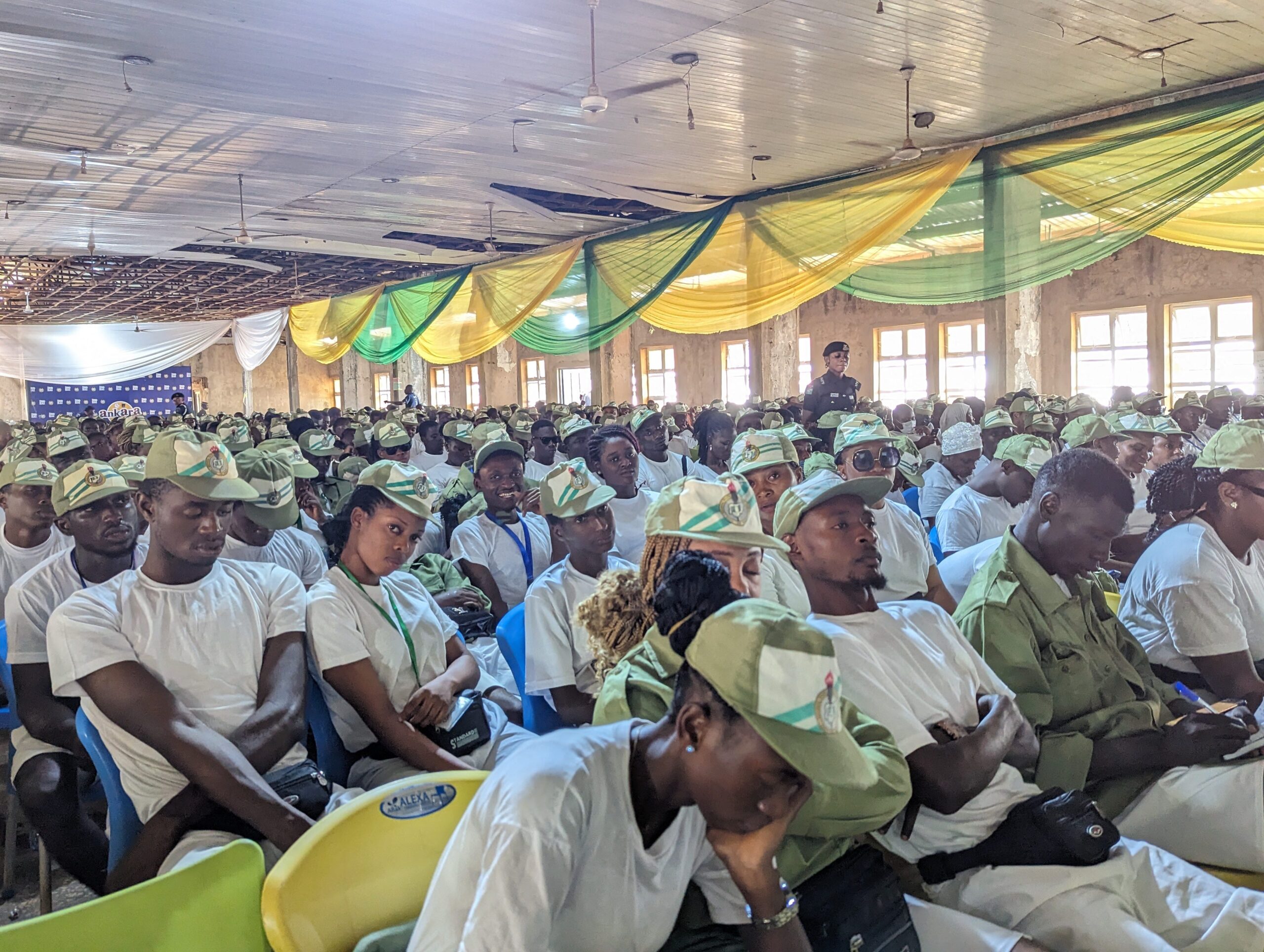
Human capital is increasingly recognized as the most fundamental asset for long-term economic growth, particularly in developing regions like Africa. The relationship between a well-educated, healthy, and skilled workforce and a country’s economic prosperity is well-documented. For Africa, where approximately 60% of the population is under the age of 25, the opportunities to harness human capital are immense. However, the data shows that gaps in education, health, and skills development are holding the continent back from realizing its full potential.
Current State of Human Capital
How can Africa, with its vast youth population and untapped potential, continue to lag behind in human capital development while the world is advancing rapidly?
Human capital, which refers to the knowledge, skills, health, and abilities that individuals accumulate over their lifetimes, plays a critical role in determining a country’s economic potential. However, Africa’s current state of human capital, as reflected by its Human Capital Index (HCI), reveals a significant underutilization of the continent’s workforce.
According to the World Bank, Africa’s HCI stands at just 0.4 — substantially lower than the global average of 0.57. This means that a child born today in Africa will only be 40% as productive as they could be if they had complete access to quality education, healthcare, and social opportunities throughout their life. In contrast, the global average is 65%.
The ramifications of this shortfall are far-reaching. The HCI score of 0.4 means that Africa is not fully harnessing its human capital potential, capturing only 55% of it. This significant underperformance undermines economic growth, limits productivity, and stifles the continent’s ability to compete globally. As Africa’s population continues to grow, particularly among its youth, this gap in human capital development poses a critical challenge for policymakers, business leaders, and development organizations.
Education and Economic Growth

Education is the bedrock of human capital development, and its direct correlation to economic growth is well-established. According to the World Bank, every additional year of schooling can increase an individual’s income by approximately 10%, and for a country, it can contribute to an average GDP growth of 0.37%.
A study examining 48 African countries from 2000 to 2019 found a positive correlation between human capital development and economic growth. Specifically, improvements in education levels were linked to enhanced GDP per capital. For instance, countries like Rwanda and Ghana have made notable strides in educational attainment, contributing to their relatively better performance on the Global Human Capital Index.
However, in Sub-Saharan Africa, the education gap remains significant:
- Literacy Rates: As of 2020, literacy rates in Sub-Saharan Africa stood at about 65% for adults, compared to a global average of 86%. Among youths, the literacy rate was higher at 76%, but still lagging behind other regions . Over 16 million children dropped out of primary school in Africa as of 2020.
- Enrollment in Secondary Education: According to UNESCO, net enrollment rates in secondary education in Africa were only 43% as of 2020, compared to over 75% globally. In countries like Niger, the figure is as low as 17% .
- Tertiary Education: Enrollment rates in tertiary education stand at just 9% across Africa, compared to 38% globally, pointing to significant underutilization of advanced skills that drive innovation and productivity .
Health as a Foundation for Productivity
How much longer can Africa afford to underinvest in healthcare and education, when these are the very foundations of human capital needed to drive sustainable economic growth?
While education is often the focus of human capital discussions, healthcare is equally important. A healthy population is more productive, less prone to absenteeism, and better equipped to contribute to the economy. The World Health Organization (WHO) highlights that for every dollar invested in health, the economic return can be as high as four dollars due to increased productivity, reduced healthcare costs, and improved life expectancy.
Health is another essential aspect of human capital that directly affects economic performance. The World Bank emphasizes that investments in health can lead to increased productivity, as a healthier workforce is more capable of contributing effectively to the economy.
In many African countries, however, healthcare systems are underfunded, with limited access to basic medical services, particularly in rural areas. Nigeria, for instance, allocates only 4% of its GDP to healthcare, compared to the global average of 10%. This underinvestment results in poor health outcomes, including high infant mortality rates, low life expectancy, and a high burden of communicable diseases — all of which undermine economic productivity.
Conversely, countries that invest in healthcare experience tangible economic benefits. Yet, healthcare indicators across Africa continue to lag behind global standards; thus, this often seen:
- Life Expectancy: The average life expectancy in Sub-Saharan Africa is around 64 years, compared to the global average of 73 years . This shorter lifespan limits productivity, especially when diseases like malaria, HIV/AIDS, and tuberculosis remain prevalent.
- Healthcare Spending: African countries spend an average of 6% of their GDP on healthcare, well below the World Health Organization’s (WHO) recommended 15%. This underfunding has resulted in poorly equipped health facilities and insufficient healthcare professionals.
- Human Capital Index: The World Bank’s Human Capital Index (HCI) measures the productivity of the next generation of workers based on current health and education outcomes. African countries consistently rank low on the HCI, with the regional average for Sub-Saharan Africa standing at 0.40, meaning a child born today in this region will only achieve 40% of their potential productivity .
In sum, the pandemic has intensified vulnerabilities among populations already facing challenges such as poverty and limited access to healthcare further highlighting the need for robust health systems.
Skills Development and Employment Trends

Africa’s workforce is growing rapidly, with the continent expected to account for more than a quarter of the world’s labor force by 2050. However, the productivity of this workforce remains a concern.
Why, despite Africa’s large and growing workforce, does the continent still struggle with low productivity and a widening skills?
A focus on vocational training and skills developmentis key for bridging these gaps. For example, Rwanda ranks second worldwide for labor force participation rates at 73.6%, coupled with a low unemployment rate of 3.4%. Approximately 90 million teenagers in Africa struggle for employment in low-paying jobs due to inadequate educational opportunities and Sub-Saharan Africa has the highest youth population globally, with projections suggesting it will reach over 1 billion by 2050.
Let’s take a look at the Employment Statistics:
- Labor Productivity: According to the African Development Bank (AfDB), Africa’s labor productivity (GDP per worker) lags behind other regions. In 2022, labor productivity in Sub-Saharan Africa was around $7,000 per worker, compared to $25,000 globally .
- Informal Economy: A significant portion of Africa’s workforce operates in the informal sector, which accounts for over 85% of employment in countries like Nigeria, Kenya, and Tanzania . Workers in the informal sector often lack access to formal education and skills training, limiting their productivity and earnings.
- Skills Mismatch: McKinsey’s 2023 report on the future of work in Africa highlights that the continent faces a growing skills mismatch, particularly in sectors like technology, manufacturing, and professional services. Over 50% of African youth are not gaining the right skills to compete in these rapidly growing sectors .
Why does Africa, with the world’s largest youth population and rapidly growing labor force, continue to face a widening skills gap and low productivity — and what untapped opportunities lie in revolutionizing vocational training to unlock the continent’s true economic potential?
The Role of Technology and Innovation

Technology integration is essential for enhancing human capital. Despite the rapid growth of mobile technology in Africa, about 70% of African youth remain offline, limiting their access to educational resources and job opportunities. With negiligience that one of the most promising areas for human capital development in Africa is the digital economy.
Why is Africa, with the world’s fastest-growing digital-native population, still leaving 70% of its youth offline and limiting their access to life-changing educational and economic opportunities?
Africa is home to the world’s youngest and fastest-growing population of digital natives, and the continent’s internet penetration rate increased from 18% in 2014 to 43% in 2023 . This rapid adoption of digital technologies presents new opportunities for economic growth. Here’s a quick check:
- Tech Startups: Africa’s tech ecosystem is booming, with over 600 active tech hubs and record-breaking investments of $5.2 billion in 2022 . Countries like Nigeria, Kenya, and South Africa are leading this wave, creating jobs and fostering innovation across sectors like fintech, e-commerce, and healthcare.
- Job Creation Potential: According to a study by the International Finance Corporation (IFC), the digital economy could add up to 44 million jobs in Africa by 2030, particularly in sectors like IT services, digital financial services, and online platforms .
- AfCFTA and Digital Trade: The African Continental Free Trade Area (AfCFTA) provides a framework for digital trade that could enhance human capital by promoting cross-border collaboration and creating new economic opportunities. The potential for digital trade in Africa is estimated to be worth $180 billion by 2025.
How can Africa leverage the African Continental Free Trade Area (AfCFTA) and digital trade to transform its human capital and create millions of jobs in a rapidly digitalizing global economy?
What are the key challenges facing human capital development in sub-Saharan Africa
Human capital development in sub-Saharan Africa is essential for the region’s economic growth and social progress. However, it faces a multitude of challenges that are deeply rooted in historical, social, and economic contexts.
1. Low Access to Quality Education
Enrollment and Completion Rates
Access to education remains a significant barrier in sub-Saharan Africa. As of 2022:
- Approximately 30% of school-age children are not enrolled in school.
- Primary school completion rates hover around 65%, significantly lower than the global average of 87%.
- Secondary education enrollment is even more concerning, with over 33% of youth aged 12–14 not attending school and 60% of adolescents aged 15–17 failing to complete their education.
These figures indicate systemic issues within the education sector, including poverty, cultural barriers, and inadequate infrastructure.
Quality of Education
While enrolment is critical, the quality of education is equally important. A World Bank report identifies several immediate causes for poor educational outcomes:
- Preparation: Many children arrive at school unprepared due to malnutrition or illness, affecting their ability to learn.
- Teacher Quality: A significant percentage of teachers lack the necessary skills or motivation to provide quality education. Reports suggest that in many countries, only about 50% of teachers meet minimum proficiency standards.
- Resources: Educational materials are often unavailable or delayed due to poor logistics and funding constraints.
- Management: Ineffective governance and management practices lead to inefficiencies in the education system.
The result is that nearly 90% of children in Africa cannot read with comprehension by age ten, highlighting severe deficiencies in foundational literacy skills.
2. Health System Constraints
Shortage of Healthcare Workers
Sub-Saharan Africa faces a critical shortage of healthcare workers. The World Health Organization (WHO) estimates that the region has only about 2.3 healthcare workers per 1,000 people, far below the global average of 9 per 1,000.
- By 2030, there is projected to be a shortfall of 6 million health workers in Africa.
- High rates of absenteeism among healthcare workers exacerbate this issue; studies show that absenteeism can reach as high as 40% in some areas.
Health Outcomes
Health challenges directly impact human capital development:
- Nearly 30% of young children are stunted due to malnutrition, which affects their cognitive development and educational attainment.
- The region has high prevalence rates for diseases such as malaria (over 200 million cases annually) and HIV/AIDS (over 25 million people living with HIV), which further strain healthcare systems and reduce workforce productivity.
The maternal mortality rate remains alarmingly high at approximately 542 deaths per 100,000 live births, which is about 2.5 times the global average. This situation limits women’s ability to contribute effectively to economic development.
3. Youth Unemployment and Skills Mismatch
Unemployment Rates
Youth unemployment is a pressing issue in sub-Saharan Africa:
- The youth unemployment rate stands at approximately 11%, but this figure masks broader issues; over 72 million youth are classified as not in employment, education, or training (NEET).
- Young women face even higher unemployment rates compared to their male counterparts, exacerbating gender inequality.
Skills Gap
A significant skills mismatch exists between the education system and labor market needs:
- Many graduates lack essential soft skills (communication, teamwork) and technical competencies required for available jobs.
- The African Development Bank reports that most graduates do not possess the skills needed for the job market, leading to high rates of informal employment where workers often earn less than those with formal jobs.
For example, only about 8.5% of upper secondary students were enrolled in vocational programs as of 2019. This lack of emphasis on practical skills training leaves many young people unprepared for available job opportunities.
4. Corruption and Governance Issues
Corruption remains a pervasive challenge across many sub-Saharan African countries:
- Poor governance leads to inefficiencies in service delivery and misallocation of resources.
- Insufficient government spending on education averages around 3.5% of GDP; this falls short of the recommended minimum of 4%, hindering improvements in educational infrastructure and quality.
Corruption also affects health services; funds intended for healthcare often disappear due to bribery or mismanagement, leading to inadequate medical supplies and poor service delivery.
5. Digital Divide
Despite advancements in mobile technology:
- Only about 25% of the total population in sub-Saharan Africa has internet access.
- There are significant disparities between urban and rural areas; urban residents are nearly twice as likely to have internet access compared to those in rural areas.
Gender Disparities
Women face unique challenges regarding digital access:
- Women are approximately 36% less likely than men to use mobile internet services.
- Cultural norms and economic barriers often restrict women’s access to technology and digital literacy programs.
Connectivity Gaps
Half of the estimated 400 million people lacking mobile broadband coverage worldwide reside in sub-Saharan Africa. This digital divide limits access to educational resources and job opportunities for youth:
- Digital literacy programs are scarce; less than 20% of young people have received any form of digital skills training.
Conclusion
The challenges facing human capital development in sub-Saharan Africa are complex and interconnected. Managing these issues requires comprehensive strategies that focus on improving educational access and quality, enhancing health systems, bridging the skills gap, combating corruption, and expanding digital connectivity.
To effectively tackle these challenges, stakeholders should consider:
- Investing in Education: Increase funding for schools, improve teacher training programs, and develop curricula that align with labor market needs.
- Strengthening Health Systems: Enhance healthcare infrastructure by training more healthcare workers and improving access to essential services.
- Promoting Youth Employment: Create targeted programs that provide vocational training aligned with market demands while fostering entrepreneurship among youth.
- Combating Corruption: Implement strong governance frameworks that enhance transparency and accountability in public spending on education and health.
- Expanding Digital Access: Invest in digital infrastructure while promoting digital literacy programs aimed at both youth and women.
By prioritizing these areas, sub-Saharan African countries can unlock their human capital potential, creating sustainable economic growth and improved living standards for their populations while combating systemic inequalities that hinder progress.
What untapped opportunities lie within Africa’s booming tech ecosystem, and how can the digital economy truly revolutionize vocational training to unlock the continent’s potential? Let’s hear your voice!
Stay connected with us for more updates: